

Automated grain drying could save up to $54 thsd per season — Perry
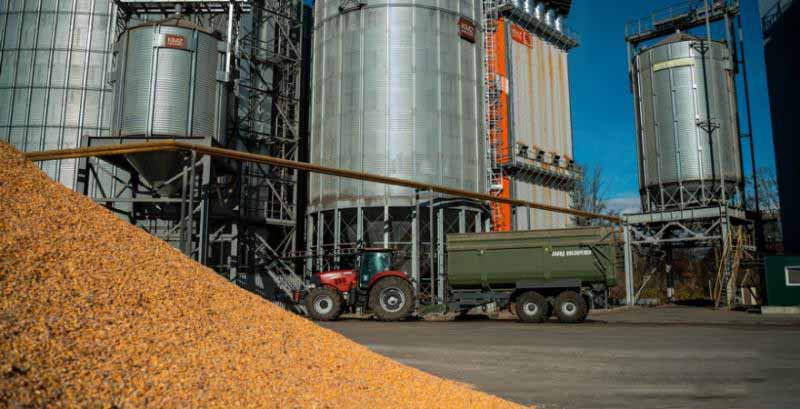
Automating the grain drying process could help grain elevators significantly reduce energy costs and minimize losses caused by overdrying. According to calculations by British company Perry, drying 15 thsd tons of grain with a six-percentage-point reduction in moisture content could generate potential savings of $54 thsd per season. This was reported by Roman Belikov, Perry’s Regional Manager in Ukraine.
One of the main causes of additional costs is grain overdrying, when operators set lower target moisture levels to compensate for possible fluctuations and measurement errors. For example, if corn needs to be dried to a moisture content of 14–14.5%, the process may actually continue until it reaches 13%. This increases fuel consumption and reduces the weight of the finished product, negatively affecting the economics of grain storage and sales.
To improve moisture control, Perry offers the Grain Sentry automation system, which collects grain samples before and after drying and analyzes them in a dedicated laboratory unit. According to the company, the moisture measurement error is just 0.1%. The collected data is automatically transmitted to the grain dryer’s controller, allowing operating parameters to be adjusted promptly.
Based on the measurement results, the system regulates grain discharge speed, burner temperature and fan output. This helps maintain the required final moisture content without excessive overdrying while reducing energy consumption. Operators can also monitor the drying process remotely and track key operating indicators.
According to Perry, automated moisture control could reduce direct grain drying costs by more than 30%. However, actual savings depend on the crop, initial grain moisture content, weather conditions and the technical specifications of the dryer. The system can be integrated into equipment from different manufacturers, allowing existing grain drying facilities to be upgraded without complete replacement.
Read also
Malaysian palm oil prices fall amid high stocks and weak demand
US beef trimmings imports rise 22% despite weak demand
Brazil expands corn production but channels more grain into domestic market
Labour shortages and high logistics costs constrain Ukrainian apple exports
EU may increase sugar imports by 48% amid declining domestic production




Got additional questions?
We will be happy to assist!
Write to us
Our manager will contact you soon