

Australia forecasts record barley exports amid strong Chinese demand
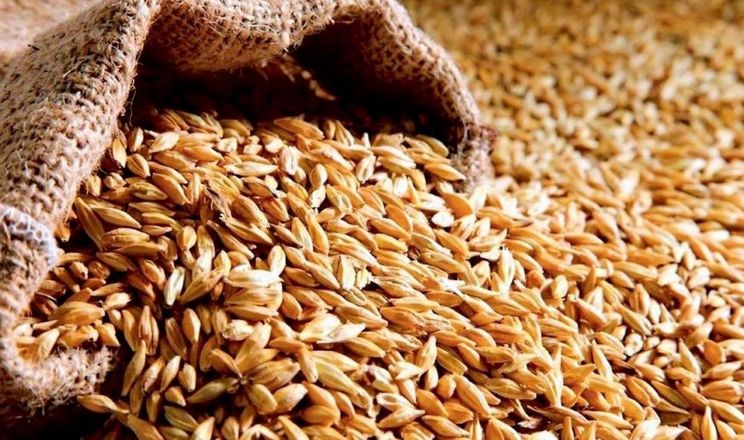
Australia’s barley exports could reach a record 13 mln tons in the MY 2026/27, supported by increased domestic production and strong demand from China. According to the US Department of Agriculture’s Foreign Agricultural Service (USDA FAS), the country’s barley crop is forecast at 17.7 mln tons, up 4.4% from the previous season. Australia could therefore set a new barley production record for the second consecutive year.
Barley production growth has been supported by an expansion in planted area at the expense of wheat. High nitrogen fertilizer prices and concerns over potential moisture shortages associated with El Niño have encouraged some Australian farmers to shift acreage from wheat to barley. Meanwhile, favorable rainfall and mild spring temperatures have supported grain crop development in the country’s southern regions.
Stable demand from China, one of the key buyers of Australian grain, remains the main driver of barley export growth. The expected increase in shipments to 13 mln tons could strengthen Australia’s position in the global market and intensify competition among major feed barley exporters. A large harvest is also expected to support sustained export activity throughout the season.
Unlike barley, Australia’s wheat production in the MY 2026/27 is projected to decline by 11.1% to 32 mln tons, compared with 36 mln tons in the previous season. The main factors include reduced planted area in Queensland and northern New South Wales, as well as high production costs. Despite the smaller crop, wheat exports are forecast at 25 mln tons, supported by substantial carryover stocks and favorable international market conditions.
Meanwhile, sorghum production prospects have improved following significant rainfall in mid-October. USDA FAS raised its crop forecast from 1.9 mln tons to 2.3 mln tons, while exports are projected at 2.2 mln tons. China also remains the main buyer of Australian sorghum. As a result, record barley production and increased sorghum supplies could support Australia’s grain exports amid an expected decline in wheat output.
Read also
Algeria suspends live cattle imports over veterinary risks
Soybean prices at Chinese ports fall amid high inventories
Urea demand in Pakistan rises 42.5% while phosphate fertilizer sales decline
Organic retail sales in Ukraine increase by 7.4%
India steps up used cooking oil purchases for biofuel production




Got additional questions?
We will be happy to assist!
Write to us
Our manager will contact you soon