

Argentina could replace up to 6 mln tons of Brazilian soybean meal in EU market
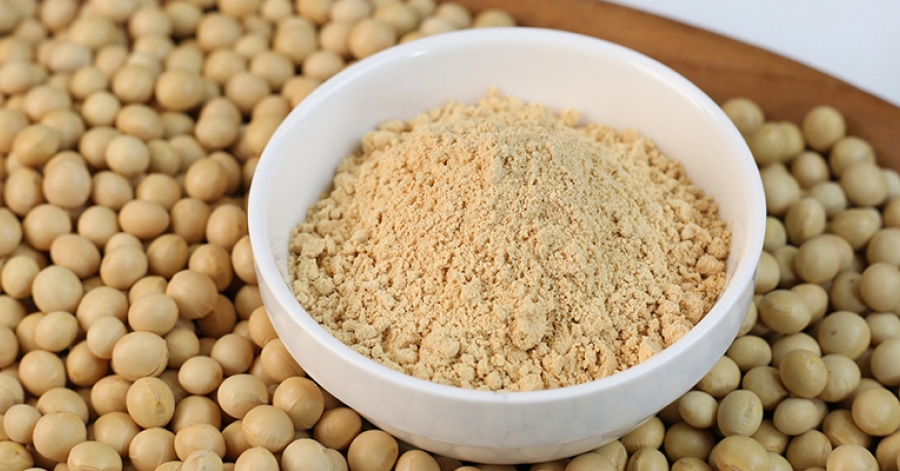
Argentina expects to increase soybean meal exports to the European Union as new EU deforestation regulations (EUDR) threaten to restrict shipments from Brazil. According to Gustavo Idigoras, president of Argentina’s CIARA-CEC grain exporters and crushers association, the country could replace 5–6 mln tons of Brazilian soybean meal if Brazilian exporters face difficulties complying with the new European rules.
The new EU requirements, set to apply from December 30, 2026, will require importers to prove that their products are not linked to deforestation. Brazil remains the EU’s largest soybean meal supplier, accounting for around half of the bloc’s imports. In 2025, the country exported a record 23.3 mln tons of soybean meal. However, the European Feed Manufacturers’ Federation (FEFAC) warns that the new traceability requirements could restrict up to 4 mln tons of Brazilian soybean meal exports, equivalent to approximately 17% of the country’s total shipments.
Brazil’s main challenges are linked to complex logistics and the need to trace soybean origins throughout the supply chain. In the country’s central regions, farms are often located more than 2,000 km from seaports, while transportation involves a combination of trucks, railways and barges. By contrast, Argentina’s main soybean-producing areas are located within 350 km of the Rosario port hub, making it easier to verify raw material origins and reducing the cost of complying with EUDR requirements.
Argentina already operates the VISEC traceability system, which tracks soybeans and their processed products from production through to export. According to FEFAC, the country faces a low risk of supply disruptions under the new EU rules, with almost all soybean meal produced in the first half of 2027 expected to meet the requirements. Argentina remains the world’s largest soybean meal exporter, shipping around 27 mln tons in 2025, approximately a quarter of which was destined for Southeast Asia.
A potential reduction in Brazilian shipments to the EU could lead to a redistribution of global soybean meal trade flows. Argentine exporters may increase sales to the European market, while Brazil could redirect more products to alternative destinations. Additional opportunities may also emerge for Paraguay, which received a low risk rating from FEFAC due to legislative restrictions on deforestation in its main soybean-producing regions.
Read also
Rains improve winter crop conditions in Ukraine, but drought persists in some regions
Brazil’s soybean oil production could reach 13.5 mln tons, while exports dec...
China intensifies competition in EU ginger market, squeezing out Peruvian suppliers
Egypt begins exporting high-protein corn gluten meal to African countries
Automated grain drying could save up to $54 thsd per season — Perry




Got additional questions?
We will be happy to assist!
Write to us
Our manager will contact you soon