

Agrarian protests in Bolivia have escalated into nationwide unrest
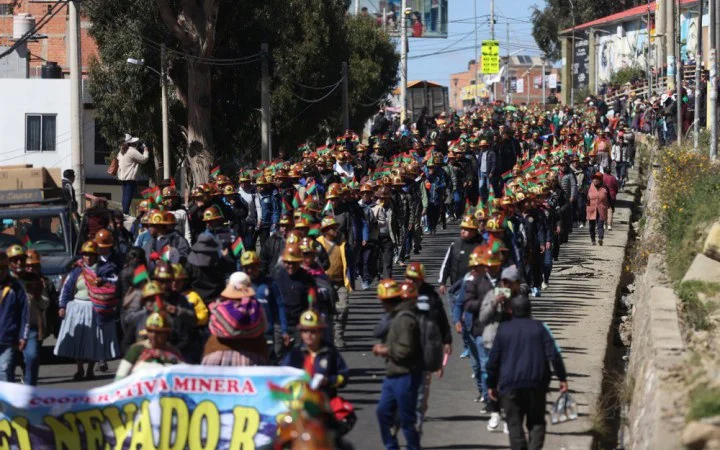
Bolivia is witnessing large-scale protests that began with farmers’ demands for land legislation and have escalated into nationwide unrest amid an economic crisis. Miners, teachers and representatives of other industries have joined the protests.
Protesters clashed with police during a march in the capital, La Paz. Bolivian miners used dynamite, while police used tear gas to disperse the crowd.
One of the main reasons for the protests was farmers’ dissatisfaction with a law that allowed them to use land as collateral for mortgages. Farmers said the law posed risks to small farms and increased financial pressure on producers.
Bolivian President Rodrigo Paz has already signed a decree to repeal the law, but the protests have not stopped. Protesters are also demanding a stable fuel supply, labor law reforms and an improvement in the country’s economic situation.
The blockade of highways in several regions has disrupted the supply of food, fuel and medicine. According to local authorities, protesters have blocked dozens of key transport routes.
Bolivia’s economic situation has worsened in recent months due to a shortage of US dollars, reduced energy production and growing social discontent. New President Rodrigo Paz, who took office only six months ago, has come under pressure for his promises to lead the country out of economic crisis.
For almost 30 years of expertise in the agri markets, UkrAgroConsult has accumulated an extensive database, which became the basis of the platform AgriSupp.
It is a multi-functional online platform with market intelligence for grains and oilseeds that enables to get access to daily operational information on the Black Sea & Danube markets, analytical reports, historical data.
You are welcome to get a 7-day free demo access!!!
Read also
Romania proposes joint NATO command to protect the Black Sea
Drought in India threatens sugar and biofuel production
Record sunseed harvest in Russia threatens to drive down prices in Kazakhstan
Corn drying costs in Ukraine could exceed the value of the grain at current prices
Oilseeds remain the only profitable segment of crop production in Russia




Got additional questions?
We will be happy to assist!
Write to us
Our manager will contact you soon