Afghanistan enters planting season with one of the best weather outlooks for winter wheat in years
Source:  ФАО
Афганістан

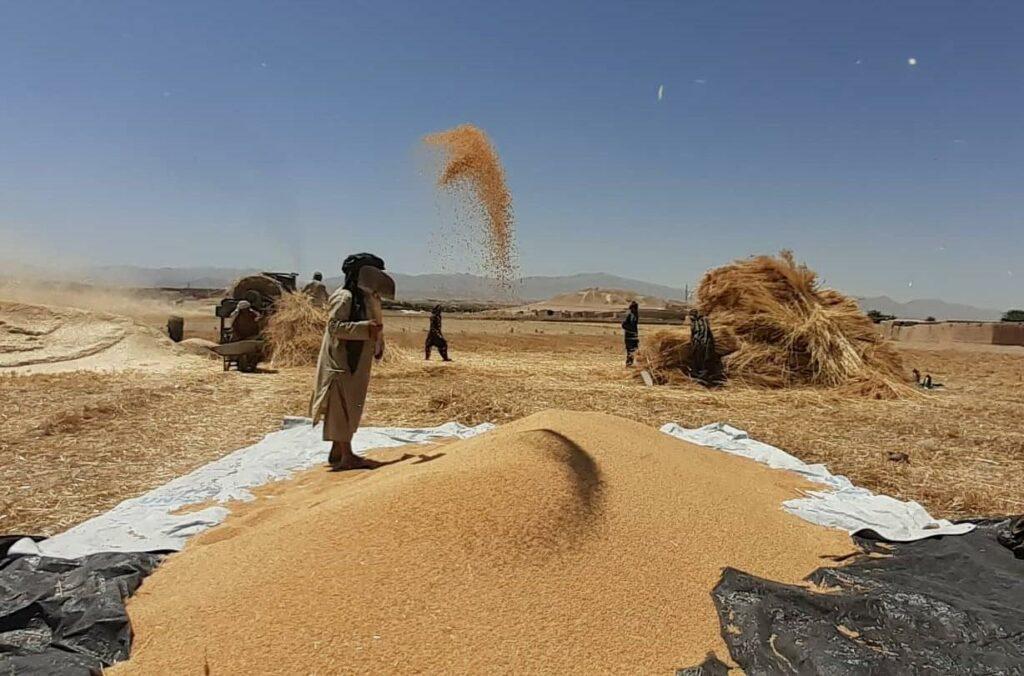
Afghanistan is entering the 2026/27 winter wheat season with one of the most favorable weather outlooks in recent years. Following several drought-affected seasons, the current El Niño is expected to bring above-average rainfall and improve water availability across much of the country. Combined with the growing adoption of certified seed, these conditions offer an opportunity to significantly increase wheat production in 2027, according to FAO.

However, sharply rising fertilizer prices threaten to prevent farmers from realizing this potential. The 2026 Middle East crisis has disrupted global fertilizer markets and driven prices significantly higher. Fertilizers remain physically available in Afghanistan, but have become unaffordable for many smallholder farmers. As a result, farmers may reduce application rates, cut planted area or forgo planting altogether.

The problem is particularly significant for wheat, with winter wheat accounting for around 61% of Afghanistan’s annual fertilizer demand. FAO research shows that combining certified seed with adequate fertilizer application and good agronomic practices can increase wheat yields by 32.8%. Without sufficient nutrients, improved varieties will be unable to realize their full yield potential.

FAO warns that the coming months will be critical for the 2027 harvest. If farmers cannot access fertilizer before and during the autumn planting period, favorable weather may fail to translate into the expected increase in production, potentially forcing Afghanistan to increase cereal imports in 2027. FAO is seeking $38.3 million to support up to 600 thsd farming households.

Tags: , ,

Got additional questions?
We will be happy to assist!

Secret Link