

Turkey plans to increase fertilizer imports from Russia
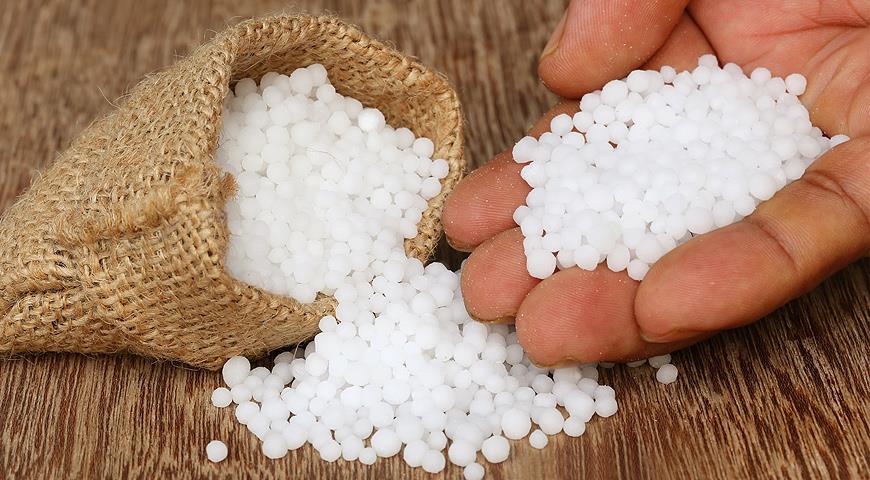
Turkey plans to sign a memorandum with Russia to increase imports of nitrogen fertilizers amid difficulties in sourcing urea from producers in the Persian Gulf. The agreement is expected to be signed by the two countries’ deputy agriculture ministers in Moscow, Bloomberg reported, citing Turkey’s Agriculture Ministry.
The agreement would exempt Turkey from Russian export restrictions on nitrogen and phosphate fertilizers, as well as ammonia. This is expected to help the country secure sufficient fertilizer and raw material supplies ahead of the planting season. Russia had previously eased restrictions on ammonia and urea exports to Turkey.
The planned increase in purchases comes amid tight fertilizer supplies on the global market. Shipments from Persian Gulf countries have declined due to the war with Iran and the effective closure of the Strait of Hormuz. At the same time, Russia has temporarily suspended ammonium nitrate exports and extended quotas on exports of other fertilizers through the end of November.
Under the current quotas, Russian producers are allowed to export 20 mln tons of fertilizers between June 1 and November 30, including nitrogen-based products. Russia remains one of the world’s largest fertilizer producers and accounts for about 20% of globally traded nutrients, while logistics disruptions in the Black Sea are increasing delivery costs, including shipments to Turkey.
Turkey produces about 5 mln tons of fertilizer annually, compared with domestic demand of around 7 mln tons. The country has production capacity of more than 8 mln tons per year, but its ability to fully utilize this capacity is constrained by dependence on imports of key raw materials, including ammonia, phosphoric acid, phosphate rock, potash and sulfur.
Read also
Romania proposes joint NATO command to protect the Black Sea
Drought in India threatens sugar and biofuel production
Record sunseed harvest in Russia threatens to drive down prices in Kazakhstan
Corn drying costs in Ukraine could exceed the value of the grain at current prices
Oilseeds remain the only profitable segment of crop production in Russia




Got additional questions?
We will be happy to assist!
Write to us
Our manager will contact you soon