

WHO calls for higher taxes on juices and wine
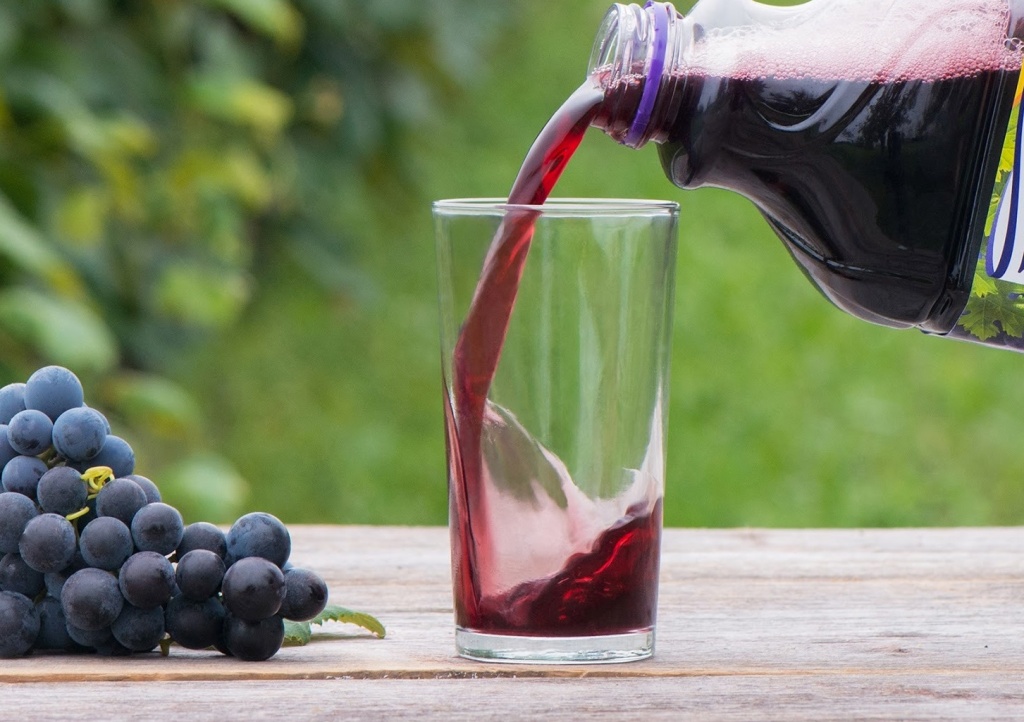
The World Health Organization is urging governments to significantly increase taxes on sugary drinks and alcohol, as their low price contributes to the spread of obesity, diabetes and cancer.
The organization is confident that taxes on harmful products can reduce their consumption and attract funds for investment in medicine.
This was reported by the UN.
According to WHO data, 116 countries currently tax sweetened carbonated water, but other products with a high sugar content, such as 100% fruit juices, sweetened dairy drinks and instant coffee, often avoid taxation.
Experts emphasize that regular consumption of such drinks leads to the development of cardiovascular diseases and caries.
The situation with alcohol also remains critical, as in most countries the prices of wine, beer and spirits have not changed since 2022 due to the lack of adjustment of taxes for inflation.
While 167 countries levy taxes on alcohol, these products are becoming increasingly affordable as incomes rise.
For example, the UK introduced a tax on sugary drinks in 2018. This is expected to raise £338 million by 2024 alone and reduce obesity rates among girls aged 10 and 11. The WHO is urging governments to review tax models as part of a new initiative to tackle excessive sugar and alcohol consumption.
Read also
Ireland’s grain imports reach 5.1 mln tons amid strong feed demand
Zimbabwe plans to produce aviation fuel from sugarcane and sorghum
Ukrainian beef exports rise amid declining global production
Ahlers – Logistics Partner of 4S BUSINESS SUMMIT
Nigeria to import 5.6 mln tons of wheat in 2026/27 season




Got additional questions?
We will be happy to assist!
Write to us
Our manager will contact you soon