Wheat prices in Ethiopia are rising sharply despite high harvests
Source:  Birrmetrics
Ефіопія

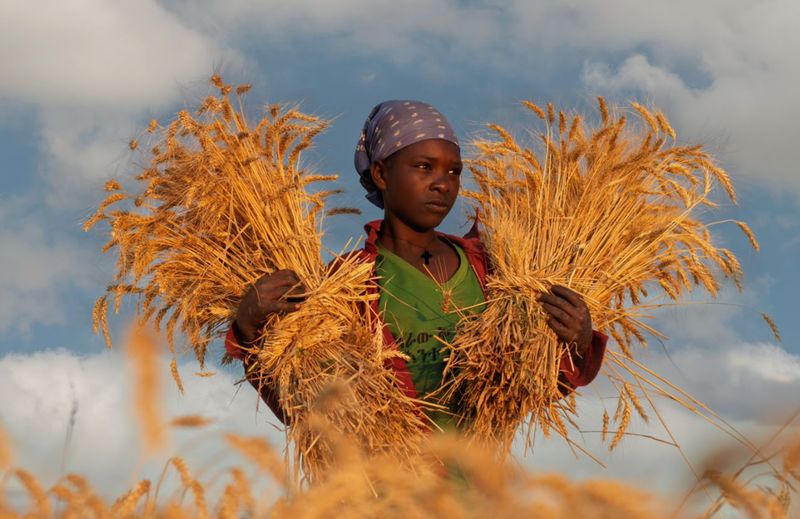
Ethiopia has seen sharp increases in grain prices over the past year due to currency depreciation, rising production costs, and seasonal factors. According to the USDA, wheat prices climbed 28% between February 2025 and February 2026, reaching 8,250 birr per 100 kilograms. Corn, sorghum, and barley also rose in price, increasing pressure on consumers.

The main driver of the surge is Ethiopia’s macroeconomic situation. Since adopting a market-based exchange rate in 2024, the birr has significantly depreciated. Fertilizer prices rose 60% and fuel costs increased 56%, raising production and transportation expenses. Imported wheat remains cheaper at around $420 per ton, roughly $45 below domestic wheat prices.

Rising prices are already changing consumer habits. Households are increasingly blending expensive teff with more affordable grains such as corn, sorghum, or rice and using mixed flours. Corn has become the most widely consumed grain, while demand for wheat products like bread and pasta continues to grow.

Ethiopia’s wheat production for the 2026/27 marketing year is projected at 7 million metric tons, supported by irrigation and new agricultural programs. However, domestic flour mills operate at only 45–50% capacity due to unstable supplies, forcing them to blend local wheat with imports, including from the Black Sea region, to maintain product quality.

Wheat and wheat product imports are forecast at 1.4 million metric tons for 2026/27, highlighting the country’s dependence on external supplies. Despite rising domestic production, demand continues to outpace supply, with weather risks, rising input costs, and logistical challenges remaining key constraints for Ethiopia’s agricultural sector.

Further development of the grain and oilseed markets of Ukraine and the Black Sea region will be in the spotlight of the BLACK SEA GRAIN. KYIV conference, taking place on April 22–23 in Kyiv. The event will focus on strategic directions for the agricultural sector through 2030, including investments, energy independence, processing, and exports of high-value products.

Join strategic discussions and networking with industry leaders to gain актуальна insights, discover new business opportunities, and build partnerships with key market players.

Tags: , , ,

Got additional questions?
We will be happy to assist!

Secret Link