

Wet Weather Slows Wheat Planting in Rio Grande do Sul
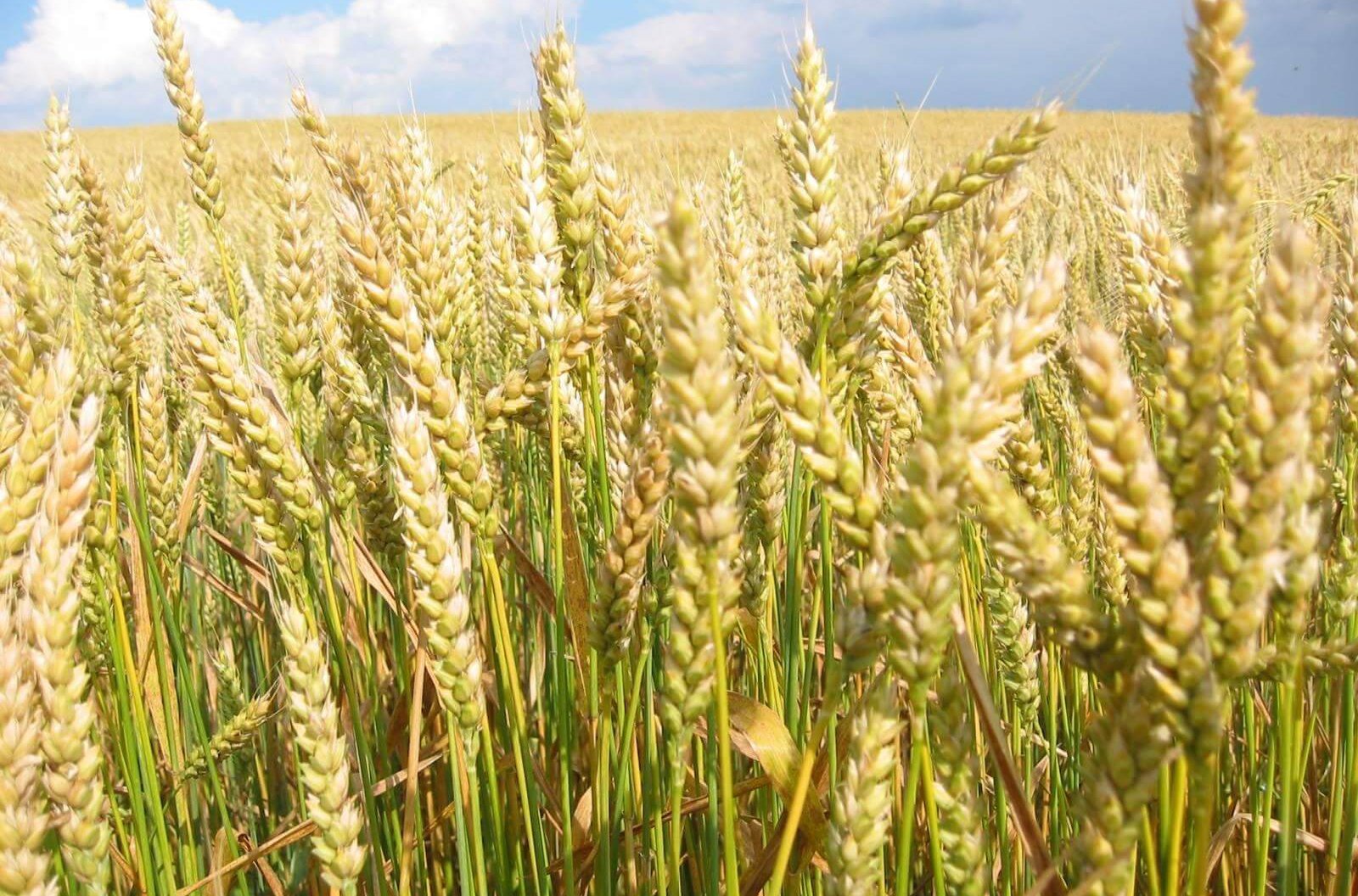
Excess rainfall over the last several months has slowed down the 2022 wheat planting in Brazil’s southernmost state of Rio Grande do Sul. After a dry start to 2022, some municipalities in the state have received more than 1,000 mm of rainfall (40 inches) over the last three months.
According to the Federation of Agriculture and Livestock Cooperatives in the State of Rio Grande do Sul (FecoAgro/RS), farmers in the state were expected to increase their wheat acreage 16% to take advantage of strong wheat prices, even though the cost of production increased 50%. Farmers in the state had a disastrous 2021/22 corn and soybean crops due to a severe drought, so they were anxious to plant their wheat in the hope of improving their financial situation. The state is expected to produce 4 million tons of wheat, which is approximately the same as the state of Parana. These two states combined produce about 90% of Brazil’s wheat.
Brazil is expected to import more than 6 million tons of wheat to meet its domestic needs and wheat is Brazil’s second largest import after petroleum and petroleum products. Most of Brazil’s wheat imports come from neighboring Argentina and Uruguay.
Read also
Delayed new crop could push Indian onion prices to a yearly high
Rain delays wheat and canola harvest in Canada
Palm oil rises for a second straight session following crude oil
China expects strong grain harvest despite floods, typhoons and drought
US develops a new generation of biopesticides




Got additional questions?
We will be happy to assist!
Write to us
Our manager will contact you soon