

US rice industry proposes tariffs of up to 65% on imports from all countries
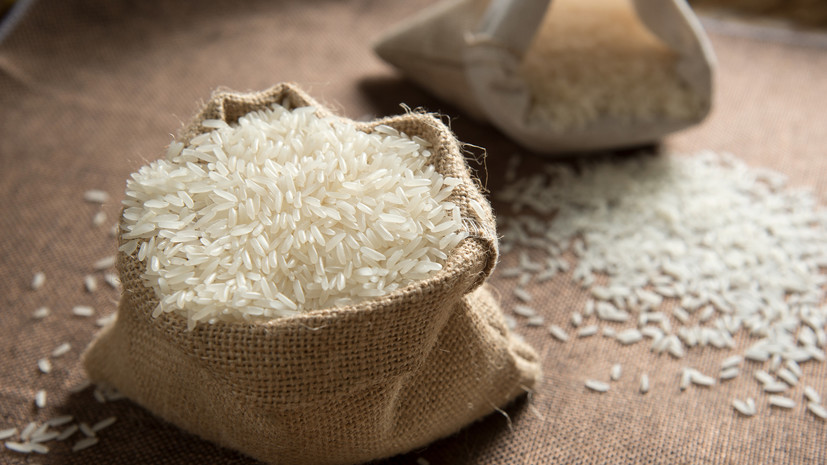
The USA Rice Federation has urged President Donald Trump’s administration to impose import tariffs of up to 65% on rice from all countries to protect domestic producers from cheaper foreign supplies. Peter Bachmann, the federation’s president and CEO, told Platts in an interview that US rice producers are seeking to regain market share both domestically and internationally, although it remains uncertain whether the administration will approve the proposed measures.
According to Bachmann, the federation is calling for a uniform tariff policy covering all suppliers, as restrictions targeting individual countries could simply redirect imports to other origins. Current US import tariffs on Thai rice stand at 12.5%, while Indian rice faces a 10% duty. USA Rice hopes additional tariffs will be introduced, although the administration may be reluctant to take such action due to concerns about higher food costs for US consumers.
Price competition from Asian exporters remains a major challenge for the US rice industry, particularly in African markets. According to Platts assessments, US long-grain white rice with 4% broken grains was priced at $625/t FOB on October 28. Meanwhile, on October 29, Thai rice with 25% broken grains was assessed at $448/t FOB, Indian rice at $383/t FOB and Pakistani rice at $379/t FOB. Although these prices refer to different product specifications, they illustrate the significant price gap between suppliers. According to Bachmann, cheaper shipments from India, Thailand, Vietnam and China are significantly limiting US export opportunities.
US rice producers are also uncertain about prospects for increasing shipments to the Philippines. USA Rice previously signed a memorandum of understanding with the Philippine Rice Industry Stakeholders Movement (PRISM), targeting annual exports of 100 thsd tons starting in 2027 and 200 thsd tons from 2028. However, Bachmann noted that the substantial price gap between US and Asian rice makes the implementation of these plans uncertain. The agreement also does not specify mechanisms to ensure the proposed purchase volumes are achieved.
Rising production costs, particularly for fertilizers and diesel fuel, will pose an additional challenge for US rice growers in 2027. According to Bachmann, future price movements for these inputs will influence farmers’ planting decisions. Depending on profitability, growers may reduce rice acreage in favor of soybeans, while higher corn prices could also encourage changes in planting patterns. A prolonged decline in rice acreage could negatively affect capacity utilization at US rice mills and drying facilities.
Read also
Coming Up in UkrAgroConsult Reports: Key Market Signals
Australian farm profits forecast to fall 39% amid rising production costs
Global phosphate fertilizer production could fall to 45 mln tons amid sulfur shortage
Olive prices in Morocco fall amid bumper harvest, while harvesting costs rise
Indonesian poultry farmers face mounting losses as feed prices surge




Got additional questions?
We will be happy to assist!
Write to us
Our manager will contact you soon