

Kenya needs nearly 2 mln tons of corn imports, but trade restrictions complicate purchases
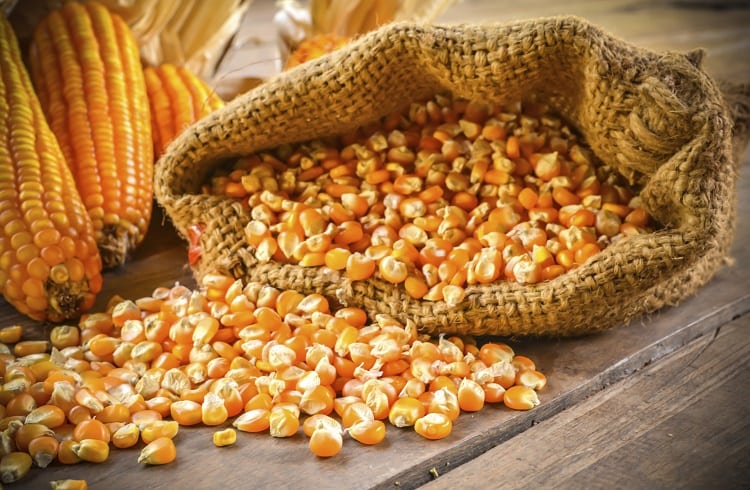
Kenya is facing a severe corn shortage in the 2026/27 season due to a sharp decline in domestic production and limited grain stocks. According to the US Department of Agriculture (USDA), the country’s corn harvest is estimated at just 2.2 mln tons, 39% below the average of previous years. The main reason was dry summer weather, which negatively affected crops during the flowering and grain-filling stages. With inventories running low, the country is becoming increasingly dependent on imports to meet domestic demand.
Kenya’s annual corn consumption is estimated at 4.5 mln tons, including 4.15 mln tons for human consumption and another 350 thsd tons for feed and other uses. Total import requirements for the 2026/27 season are estimated at 2.3 mln tons. During the first three months of the marketing year, the country imported 321.6 thsd tons of corn, but approximately 1.98 mln tons of additional imports are still needed to cover the supply deficit.
To stabilize the domestic market, the Kenyan government reached an agreement with Zambia to import 540 thsd tons of corn over an 18-month period. However, implementation has been delayed by a legal challenge concerning procurement transparency, tariff arrangements and potential impacts on domestic producers. So far, no grain shipments have been made under the agreement, increasing the risk of further shortages.
The government has also introduced a temporary import duty exemption covering 450 thsd tons of corn allocated to designated feed mills. The exemption will remain in effect until June 30, 2027, although shipments are subject to strict regulatory controls. Another major obstacle is Kenya’s ban on commercial imports of genetically modified corn, which limits purchasing opportunities from major global exporters.
Due to trade restrictions and the limited availability of alternative suppliers, Kenya may be forced to purchase corn at higher prices. Feed manufacturers are facing particularly strong pressure, as they are already struggling with raw material shortages. USDA analysts warn that without a timely increase in imports, tight grain supplies will continue to put upward pressure on domestic prices, while limited government stocks leave little room for effective market stabilization.
Read also
Potato stocks in Greece fall to 20–25% shortly after harvest
Romania leads EU in agricultural output value growth with a 13.6% increase
UK calls for restoration of safe grain exports through the Black Sea
Indonesia could cut palm oil exports by 4.4 mln tons in 2026/27
US corn production costs could reach record highs in 2027




Got additional questions?
We will be happy to assist!
Write to us
Our manager will contact you soon