

US biodiesel production falls short of levels needed to meet federal mandates
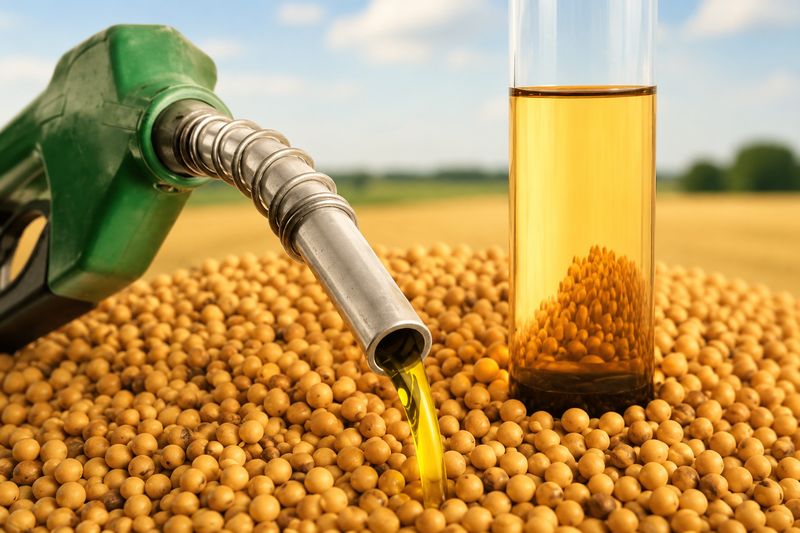
US biodiesel and renewable diesel production remains below the levels required to meet record federal biofuel blending mandates in 2026. The US Environmental Protection Agency (EPA) has set a target of 8.86 bln Renewable Identification Number (RIN) credits, equivalent to the use of approximately 5.4 bln gallons of biodiesel and renewable diesel. This represents an increase of more than 60% compared with the 2025 requirement. However, actual production volumes are lagging behind the necessary levels, raising concerns over higher compliance costs for oil refiners.
According to Argus Media, US biodiesel plants operated at less than 77% of capacity in May 2026, while renewable diesel facilities operated at approximately 78%. Meanwhile, the EPA mandates assume capacity utilization of around 90%. In May, producers generated 736 mln RIN credits, compared with approximately 915 mln needed each month to meet annual requirements. According to University of Illinois agricultural economist Scott Irwin, production during the first four months of the year fell 1.41 bln RIN credits short of the required level.
To close the gap, US producers would need to maintain monthly biofuel output more than 20% above the industry’s previous record for the remainder of the year. Analysts note that this would require record operating rates at biodiesel and renewable diesel facilities. Export demand is another factor limiting domestic supplies, as higher prices in some overseas markets encourage producers to ship part of their output abroad.
Production expansion has also been constrained by uncertainty surrounding federal tax incentives under the 45Z clean fuel production credit program. The Donald Trump administration only recently finalized the relevant guidance, including changes that improve conditions for producing soy-based renewable diesel. However, industry participants remain uncertain whether the new incentives will be sufficient to offset earlier delays and accelerate production quickly enough. Supply disruptions involving feedstocks and energy resources due to the conflict in the Middle East are adding further pressure to the market.
Meanwhile, reserves of unused RIN credits, which refiners can use to meet biofuel blending obligations, are declining as production falls short of mandated levels. Analysts warn that if current trends continue, these reserves could be exhausted by the end of 2026, putting further upward pressure on RIN prices. Smaller refiners that rely on purchasing credits could be particularly affected by rising compliance costs. The American Fuel and Petrochemical Manufacturers (AFPM) has already urged the administration to reconsider the mandates. However, the EPA emphasizes that compliance is assessed over the full year and that temporary production shortfalls can be covered by using accumulated credits.
Read also
Moldovan apple growers face tight margins amid low prices and rising costs
Wheat prices rise in Chicago on Thursday, while corn and soybeans trade mixed
Ukraine Nears a Storage Crunch: What Happens to Grain by Early 2027?
North Korean rice prices hit record highs despite ongoing harvest
China’s soybean oil prices remain under pressure from high stocks and weak demand




Got additional questions?
We will be happy to assist!
Write to us
Our manager will contact you soon