

Unblocking of the Strait of Hormuz to give the global economy a brief reprieve
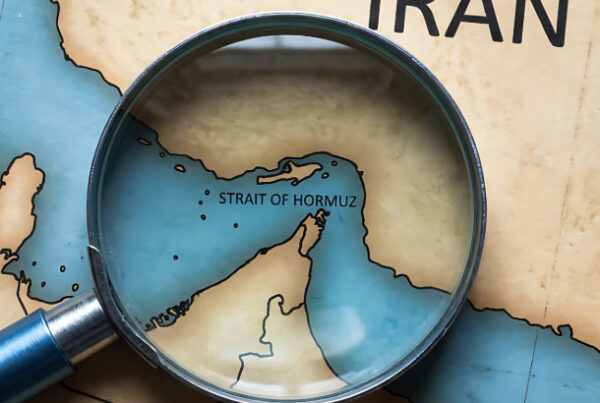
The expected restoration of navigation through the Strait of Hormuz is set to ease immediate concerns over a prolonged energy shortage, reducing the risk of a deep global recession. However, economists warn that inflationary pressure and disruptions in supply chains will continue to be felt for months, even after maritime traffic normalizes. According to Capital Economics deputy chief economist Simon MacAdam, reopening the strait is a positive development, but it does not eliminate the economic costs already accumulated during the period of disruption.
Before shipping routes can fully return to normal, the maritime zone still requires demining operations, while oil fields and refineries that reduced output or were damaged during the conflict need time to restart. In addition, uncertainty in global shipping will persist until the United States and Iran reach broader agreements on nuclear issues and other disputed geopolitical matters.
Economists note that the global economy is increasingly shifting toward a more fragmented structure, where countries prioritize energy security and strategic stockpiling over traditional globalization. According to Moody’s Analytics senior economist Stefan Angrick, the world has become more divided and less reliant on the assumption that globalization will ensure stable and low prices.
In the short term, inflationary pressures remain the key consequence of recent disruptions. Central banks, including the U.S. Federal Reserve and the Bank of England, have revised expectations for interest rate cuts due to volatile energy prices. The European Central Bank has already raised rates, while the Federal Reserve has signaled the possibility of further tightening, despite recent declines in oil prices.
Brent crude has eased to around $78 per barrel, down from a peak above $118, providing some relief for consumers at the fuel pump. However, the pass-through effect of earlier energy price spikes is still working through the economy, meaning food, electricity, and other goods are expected to continue rising in price over the coming months.
Economists stress that food prices typically peak with a significant delay after energy shocks due to long production and supply chains. Electricity bills also adjust slowly because of regulated pricing and long-term contracts. As ECB chief economist Philip Lane noted, the full impact of the crisis will be felt over the coming year, even as energy markets stabilize.
Despite the shock, analysts do not expect a strong post-crisis boom. Global growth has been supported by investment in artificial intelligence and resilient export sectors, even as consumer demand remains subdued. The World Bank recently projected global economic growth at 2.5% this year, only slightly below its pre-crisis forecast of 2.6%.
Read also
Ireland’s grain imports reach 5.1 mln tons amid strong feed demand
Zimbabwe plans to produce aviation fuel from sugarcane and sorghum
Ukrainian beef exports rise amid declining global production
Ahlers – Logistics Partner of 4S BUSINESS SUMMIT
Nigeria to import 5.6 mln tons of wheat in 2026/27 season




Got additional questions?
We will be happy to assist!
Write to us
Our manager will contact you soon