

Thai sugar industry calls for E20 transition to bolster energy security
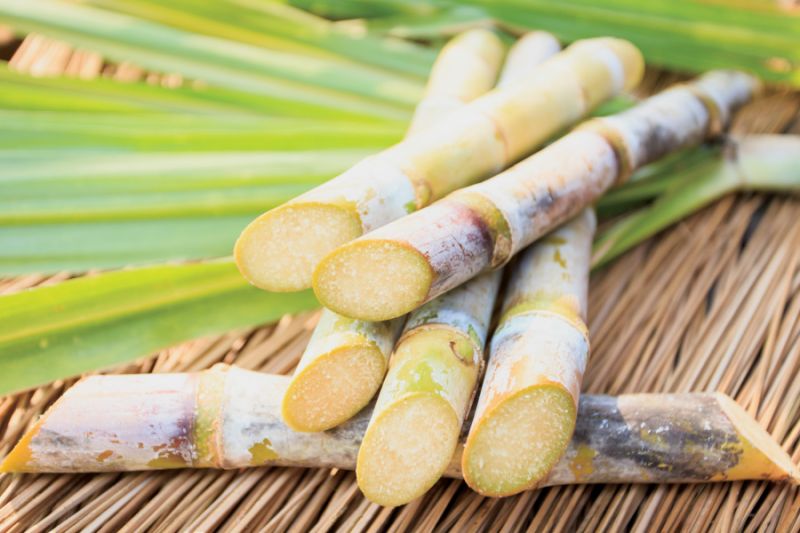
Sugar millers propose making E20 the primary fuel to cut crude oil imports by 1.05 billion litres annually while boosting income for 420,000 farming families.
The Three Sugar Millers Associations (TSMC) have called on the Thai government to elevate agricultural renewable energy to a national agenda.
The proposal aims to insulate the country from volatile global markets and reduce heavy reliance on imported energy, which currently accounts for 60–70% of national demand.
Central to the associations’ green economy model is the promotion of Gasohol E20 as Thailand’s primary fuel. Such a transition is estimated to reduce crude oil imports by 2.9 million litres per day, or nearly 1.058 billion litres annually.
Additionally, the group advocates for expanding biomass electricity production from sugarcane leaves and agricultural waste to its full potential of 650 megawatts (MW) to replace natural gas.
Dr Somchai Harnhirun, chairman of the Coordination Committee of the TSMC, highlighted that Thailand remains vulnerable due to its massive imports of crude oil for transport and natural gas for power generation.
«Thailand possesses immense agricultural potential that can be transformed into renewable energy, — Dr Somchai stated. — The sugar and cane industry is a vital engine for the country».
Read also
Romania plans to restrict unscheduled freight train access to Constanta port
Global blueberry market faces tighter supplies and rising prices
China’s used cooking oil exports surge 55%, with Europe becoming the largest...
Kazakh flaxseed prices surge in Europe amid transit restrictions
Global food inflation intensifies amid declining grain shipments and rising logist...




Got additional questions?
We will be happy to assist!
Write to us
Our manager will contact you soon