

Switching to B10 could replace up to 5 mln tons of diesel annually in the EU
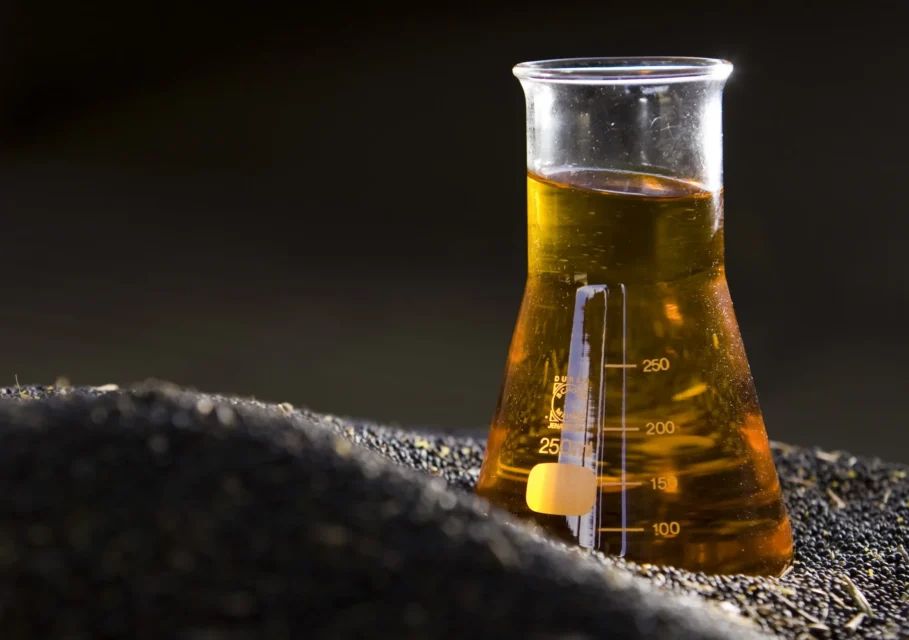
Expanding the use of B10 biodiesel blends in the European Union could replace 4–5 mln tons of conventional diesel annually, equivalent to approximately 8–10 days of road transport diesel consumption across the EU. The estimate was presented by the European Waste-based & Advanced Biofuels Association (EWABA). According to the association, switching from B7 to B10, which contains up to 10% biodiesel, could generate additional annual demand for 4–5 mln tons of biodiesel and reduce Europe’s dependence on imported petroleum products.
According to Eurostat, the transport sector accounted for 32.3% of the EU’s final energy consumption in 2024, while the bloc’s dependence on oil imports reached approximately 95% in 2023. In the second quarter of 2026, the value of oil imports was 55.8% higher than the monthly average recorded in 2025, although import volumes increased by only 1.2%. EWABA believes that wider biodiesel use could help reduce fossil fuel import costs and strengthen the EU’s energy security.
The use of B10 fuel is covered by the European EN 16734 standard, and several countries are gradually expanding its availability. In France, B10 is already available on the market, while B30 and B100 blends are permitted for certain vehicle fleets. In Portugal, B15 was offered at more than 160 filling stations. Italy is also creating conditions for wider B10 sales while maintaining mandatory B7 availability at a proportion of filling stations. Meanwhile, biofuel programs outside the EU are advancing more rapidly: Indonesia is introducing B50, Brazil mandates B15, and Malaysia is gradually transitioning from B10 to B15.
EWABA identifies provisions of the RED III directive as one of the main obstacles to expanding the European biodiesel market. The directive limits the contribution of biofuels produced from certain waste-based feedstocks to 1.7% of transport energy consumption unless a member state receives approval to raise the cap. The association proposes reviewing this restriction while maintaining strict sustainability and feedstock traceability requirements. According to EWABA, Europe has more than 70 waste-based biodiesel production facilities, but capacity utilization among its members remains at only around 50%.
To stimulate demand, the association proposes expanding B10 availability at filling stations, ensuring sufficient B7 supplies, and introducing targeted tax incentives. According to German industry estimates, B10 could have been approximately 3 euro cents per liter cheaper than B7 in the first half of 2026. EWABA emphasizes that increasing the utilization of existing production facilities would help reduce diesel imports, expand waste processing, and support Europe’s biofuel industry without requiring additional production infrastructure.
Read also
Ukraine to send over 17 thsd tons of food to Africa, Asia and Latin America
Indonesia sets minimum corn purchase price to support farmers
UkrAgroConsult supports international standards of quality and ethics in market re...
Sunflower Oil: Can China Rewrite the Rules of Black Sea Pricing?
Turkey’s hazelnut production to rise 55%, but market supplies remain limited




Got additional questions?
We will be happy to assist!
Write to us
Our manager will contact you soon