

Strike in Argentina halts grain exports
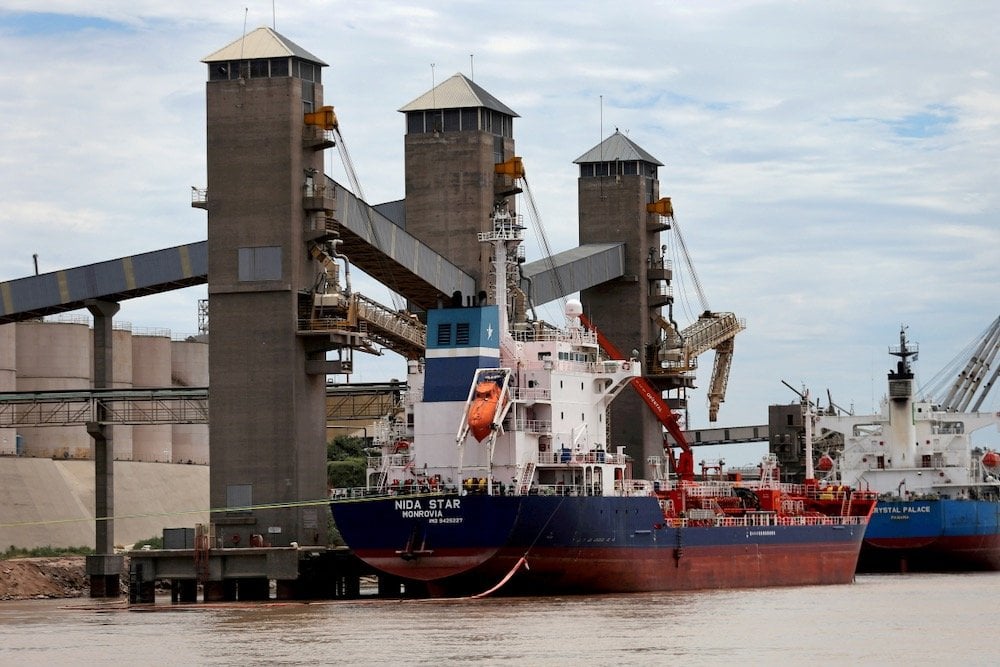
Argentine maritime workers from the Federation of Maritime Workers (FESIMAF) launched a 48-hour strike on February 18, bringing grain export activity at key ports to an almost complete standstill. The strike has disrupted cargo loading and unloading, pilot transfers, and other port services, particularly around the Rosario port hub, one of the country’s main logistics centers.
Argentina is one of the world’s leading grain suppliers and the top exporter of soybean oil and meal, making the disruption particularly significant for global agricultural markets. Gustavo Idigoras, head of the CIARA-CEC grain exporters’ chamber, said the strike is “effectively bringing agro-export activities to a complete halt” and described it as politically motivated.
Additionally, the SOEA oilseed crushers’ union announced a 24-hour strike on February 19, further escalating tensions across the sector. Experts note that the simultaneous slowdown at ports and processing facilities creates serious logistical challenges for the export chain.
Despite the strikes, weather conditions in the Southern Hemisphere remain favorable. Argentina’s wheat crop is estimated to have reached a record high, rising 50% year-on-year and 26% above the previous record set in 2022, potentially ensuring a strong export supply once the strikes conclude.
Analysts warn that prolonged disruptions could temporarily tighten global soybean oil and grain markets, putting upward pressure on prices, particularly for shipments to the Middle East and Southeast Asia.
Read also
Danube freight rates may rise as Ukraine prioritizes edible oil exports
Kazakhstan increases wheat flour exports by 25%
Russia seeks new wheat export route via Abkhazia
Global sunflower oil exports to decline amid Black Sea supply disruptions
Ukraine’s oilseed harvest may reach 20 mln tons in 2026




Got additional questions?
We will be happy to assist!
Write to us
Our manager will contact you soon