

Strait of Hormuz crisis is already affecting global harvests — UN
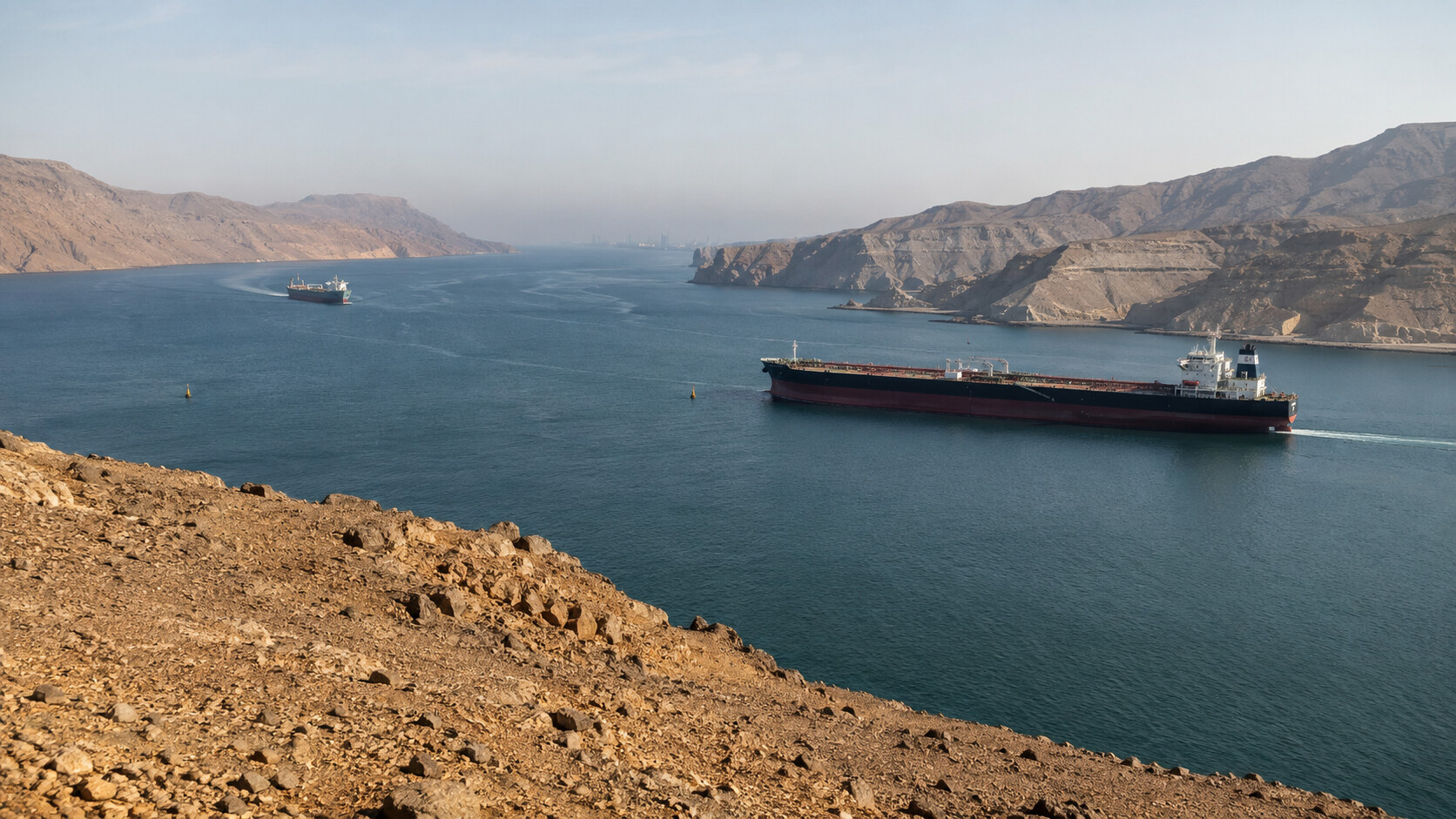
Disruptions to shipping through the Strait of Hormuz are beginning to affect agricultural production worldwide, raising concerns about declining crop yields and further increases in food prices. Disruptions to fertilizer supplies, rising fuel costs and higher transportation expenses are putting additional pressure on farmers, while weather risks associated with El Niño and interruptions to wheat exports from the Black Sea region are compounding the situation. This was stated by International Fund for Agricultural Development (IFAD) President Alvaro Lario.
According to Lario, existing fertilizer and fuel inventories initially allowed agricultural producers to partially offset supply disruptions. However, prolonged uncertainty is prompting farmers to adopt more cautious planting plans and reduce fertilizer use, potentially affecting crop yields. Meanwhile, high fuel prices are increasing the cost of mechanized harvesting, while more expensive logistics are raising agricultural production costs throughout the supply chain.
The impact of the crisis is already being reflected in global agricultural markets. According to the IFAD president, agricultural commodity prices rose by 13% in the third quarter of 2026, with further increases expected in the fourth quarter and early 2027. Countries heavily dependent on imported fertilizers, fuel and food remain particularly vulnerable. Southeast Asia faces significant risks due to its reliance on energy imports, while Gulf countries are exposed because of their dependence on imported food products.
The absence of an agreement on the safe transportation of fertilizers through the Strait of Hormuz poses an additional threat. UN representatives warn that if the United States and Iran fail to agree within the coming weeks on a UN-backed mechanism for fertilizer shipments, parts of Asia and Africa could face a food security crisis. Prolonged instability could also push smallholder farmers away from higher-value crops with longer production cycles towards crops that generate faster cash flow.
Meanwhile, many countries have limited capacity to offset rising costs. According to the United Nations Development Programme (UNDP), approximately 130 mln people could be pushed into poverty in 2026 if higher energy and food prices are fully passed on to consumers without government support. Populations in South and East Asia, as well as sub-Saharan Africa, face the greatest risks. The UN emphasizes that the combination of high production costs, reduced fertilizer use and logistics constraints could deepen global food security challenges in 2027.
Read also
Price gap between Australian wheat grades hits three-year high amid shortage of hi...
Monthly report «VegOil Market Risk Navigator for Ukraine», September 2026
Jordan announces tender to purchase 120 thsd tons of feed barley
Soybean oil prices fall amid new US biofuel proposals
Fastmarkets launches new price assessments for Russian wheat at Baltic ports




Got additional questions?
We will be happy to assist!
Write to us
Our manager will contact you soon