

Jordan cuts grain market support despite rising overall subsidies
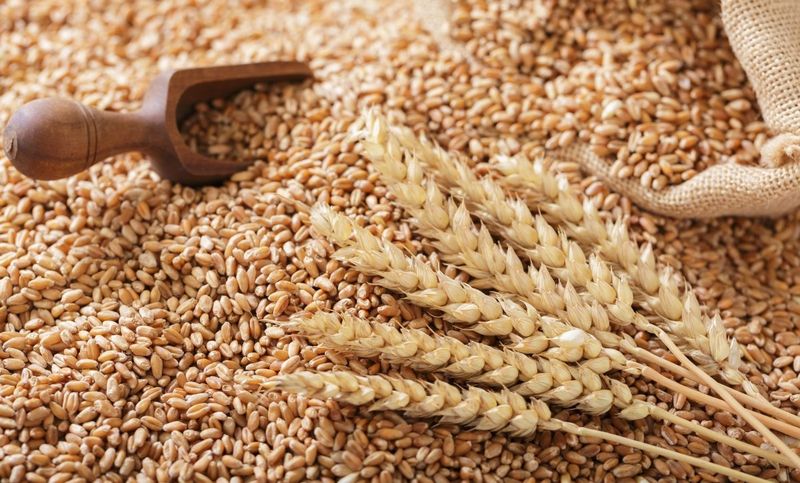
Jordan has reduced budget allocations for wheat and barley support in 2026 despite an increase in overall subsidies for strategic commodities. According to the country’s Ministry of Finance, JD171 mln has been allocated to support these grains, compared with JD180 mln allocated to wheat, barley and bran in 2025. Meanwhile, total subsidies for essential commodities increased by 3.5% in 2026 to JD251 mln.
In 2024, government support for wheat, barley and bran totaled JD226 mln. Of this amount, JD143 mln was allocated to wheat, JD66 mln to barley and JD17 mln to bran. By comparison, total subsidies reached JD277 mln in 2023, including JD228 mln for bread, barley and bran support. Budget allocations for the grain sector have therefore fluctuated in recent years, although the categories of subsidized commodities have varied somewhat between periods.
Overall, the Jordanian government allocated approximately JD1.06 bln to subsidize strategic and essential commodities during 2023–2026. The main objective of this support is to strengthen food security and contain price increases for basic food products, particularly bread and grain-based products. Meanwhile, part of the budget is directed toward household cooking gas subsidies, which increased to JD80 mln in 2026 from JD62.5 mln a year earlier.
The changing structure of government support indicates a reallocation of budget resources between food and energy needs. Despite lower grain-related allocations compared with previous years, wheat and barley remain major subsidy priorities. In 2026, support for these two grains accounts for approximately 68% of the total budget allocated to strategic commodity subsidies.
Read also
Vegetable oil exports under pressure: how Ukraine is losing distant markets
India increases corn imports amid record domestic prices
Brazil’s soybean meal exports could rise to 2.49 mln tons
India’s vegetable oil imports reach highest level in over two years
Reni and Izmail ports can handle only 15–20% of Ukraine’s agricultural exports




Got additional questions?
We will be happy to assist!
Write to us
Our manager will contact you soon