

South Korea plans to increase soybean imports despite rising domestic stocks
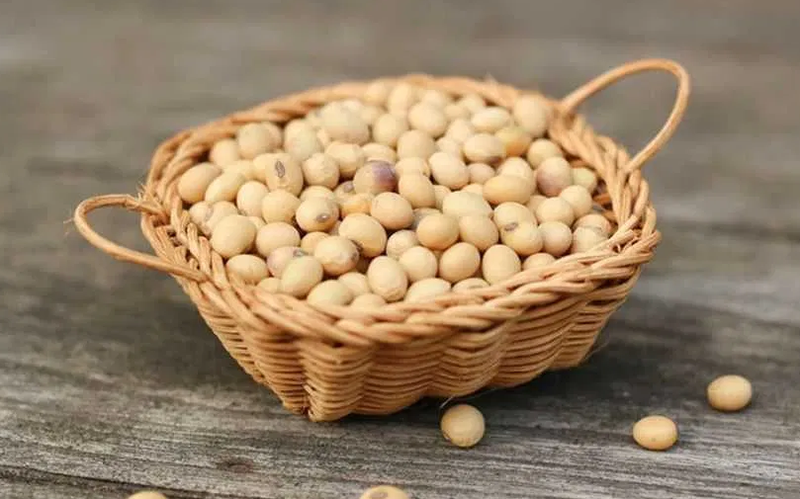
South Korea is considering increasing food-grade soybean imports in 2027 amid high domestic raw material prices and rising costs for food processors. The country’s Ministry of Agriculture has agreed to support a partial expansion of imports following consultations with soybean growers and processors.
The decision follows a compromise between farmers and the food processing industry. Soybean growers had opposed additional imports over concerns about weakening demand for domestic production, while processors, particularly tofu manufacturers, insisted on the need for access to cheaper raw materials. The Ministry of Agriculture now plans to submit the relevant proposals to the Ministry of Finance, which is expected to finalize import volumes and conditions in December 2026.
Currently, the basic tariff-rate quota for food-grade soybeans used in processing stands at approximately 220 thsd tons per year, subject to a preferential import tariff of 5%. Meanwhile, the standard import tariff on such products reaches 487%, effectively restricting imports outside the quota. In previous years, the government typically allowed an additional 30–40 thsd tons of soybean imports depending on market conditions. However, it suspended the quota expansion in 2026 to support domestic soybean consumption.
Plans to increase imports come despite substantial growth in domestic soybean production and inventories. In recent years, production has risen from approximately 110 thsd tons in 2021 to 156 thsd tons in 2025. Meanwhile, government purchases increased from 2 thsd tons to 57 thsd tons, while year-end stocks expanded from 5 thsd tons to 124 thsd tons. The government has actively encouraged soybean cultivation as an alternative to rice production, as excess rice supplies continue to create challenges for the domestic market.
Despite growing domestic inventories, Korean processors continue to face pressure from high purchase prices for locally grown soybeans. Additional imports could reduce raw material costs for food manufacturers but may also intensify competition for domestic producers. The final increase in the import quota has yet to be determined, although the government’s decision could generate additional demand for food-grade soybeans on the international market in 2027.
Read also
Jordan makes no barley purchase in 120 thsd ton tender
Malaysian palm oil prices continue to decline amid record inventories
India’s sugar production jumps 8.5-fold at the start of the 2026/27 season
EU to help Ukraine integrate its agricultural sector into the European market — Ma...
Egypt and Algeria account for nearly half of Ukraine’s wheat exports in October




Got additional questions?
We will be happy to assist!
Write to us
Our manager will contact you soon