

Record rapeseed plantings intensify the battle for european buyers
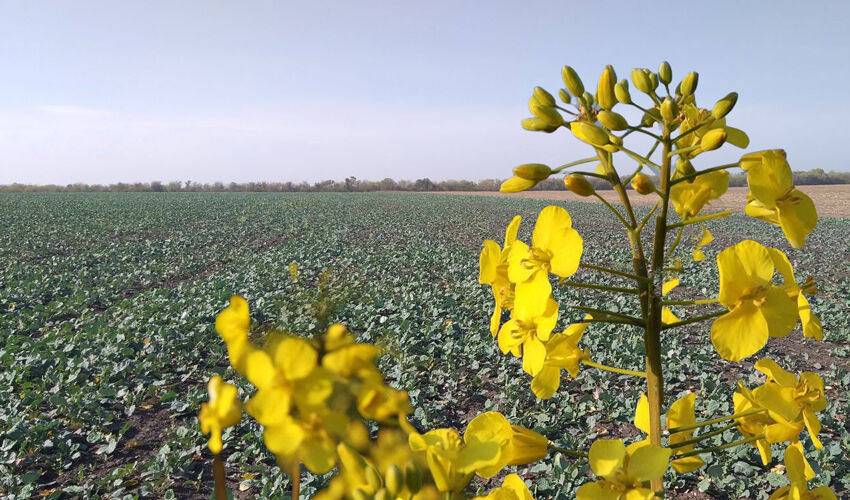
Rapeseed planting for the 2027 harvest is reinforcing a structural shift across the Black Sea–Danube–Balkan region as weak grain margins encourage growers to allocate more land to oilseeds. UkrAgroConsult expects the region’s combined rapeseed area to approach 8.2 million hectares, potentially setting a new high. The expansion is uneven, however: Ukraine and russia account for much of the increase, while Romania and Hungary are moving in the opposite direction and Poland remains broadly stable.
Ukraine is shifting part of its cropping mix away from grains toward rapeseed, supported by EU demand, domestic crushing and more diversified sales options. Oilseed price movements also point to differing market resilience: rapeseed retains a relative advantage even as the broader pricing environment weakens. The multi-season recovery in planting reflects growers’ search for better margins, although costly transport and restricted access to deep-water ports continue to weigh on farmgate returns.
Elsewhere in the region, planting decisions reflect the combined effects of crushing demand, weather and agronomic risk. Romania has strong export infrastructure and biodiesel-driven demand but suffered drought during the optimal planting window; Bulgaria benefited from autumn rainfall and a recovery in area, while recurrent moisture deficits and crop-protection challenges are discouraging Hungarian growers. As a result, regional planting trends are diverging, and record area potential does not guarantee record production.
The EU remains the principal demand centre for most regional suppliers, while russian flows are more closely oriented towards China. Declining EU palm oil imports and changing biofuel policies lend support to rapeseed oil demand, particularly during colder months. At the same time, EU purchases of rapeseed are weakening as rapeseed oil imports rise: Ukraine’s export duty on seed is encouraging domestic processing and shifting the export mix toward higher-value products.
The next season will depend not only on planted area but also on winter survival, reliable trade corridors and processing competitiveness. A relatively mild winter may limit prolonged frost damage, yet thaws, ice crust and waterlogging remain concerns. UkrAgroConsult also highlights rising competition from biodiesel made with used cooking oil and animal fats, which could constrain margins for conventional rapeseed-based biodiesel despite resilient demand in Europe.
Key trends
- Expanding rapeseed area across the Black Sea–Danube–Balkan region reflects a shift toward potentially higher-margin crops, but divergent country-level planting trends add uncertainty to future supply.
- Ukraine is strengthening its role in supplying rapeseed and processed products to the EU through market proximity and crushing demand, while logistics costs and route security remain critical constraints.
- Drought, uneven crop emergence and winter weather risks could materially change harvest outcomes even where planted area expands, particularly in regions with unreliable soil moisture.
- The EU import mix is increasingly shifting from rapeseed toward rapeseed oil, supporting Ukrainian crushing and changing competition between raw-seed exporters and suppliers of processed products.
- Future margins will depend on market access, freight and EU biofuel policy, as expanding use of waste-based feedstocks introduces additional competition for traditional rapeseed biodiesel.
Would you like to receive the full analytical report with all insights and data? Please complete the form to gain access to the material. The full version will be sent to your email.
Full version of the article is available to subscribers ‘BLACK SEA & DANUBE GRAIN REPORT’ and ‘BLACK SEA & DANUBE OILSEED REPORT’. You may request a sample report and apply for subscription. Be confident with your business strategy based on professional analysis and forecasts of the Black Sea & Danube agri market!




Got additional questions?
We will be happy to assist!
Write to us
Our manager will contact you soon