

Sorghum strengthens competition with corn in Poland
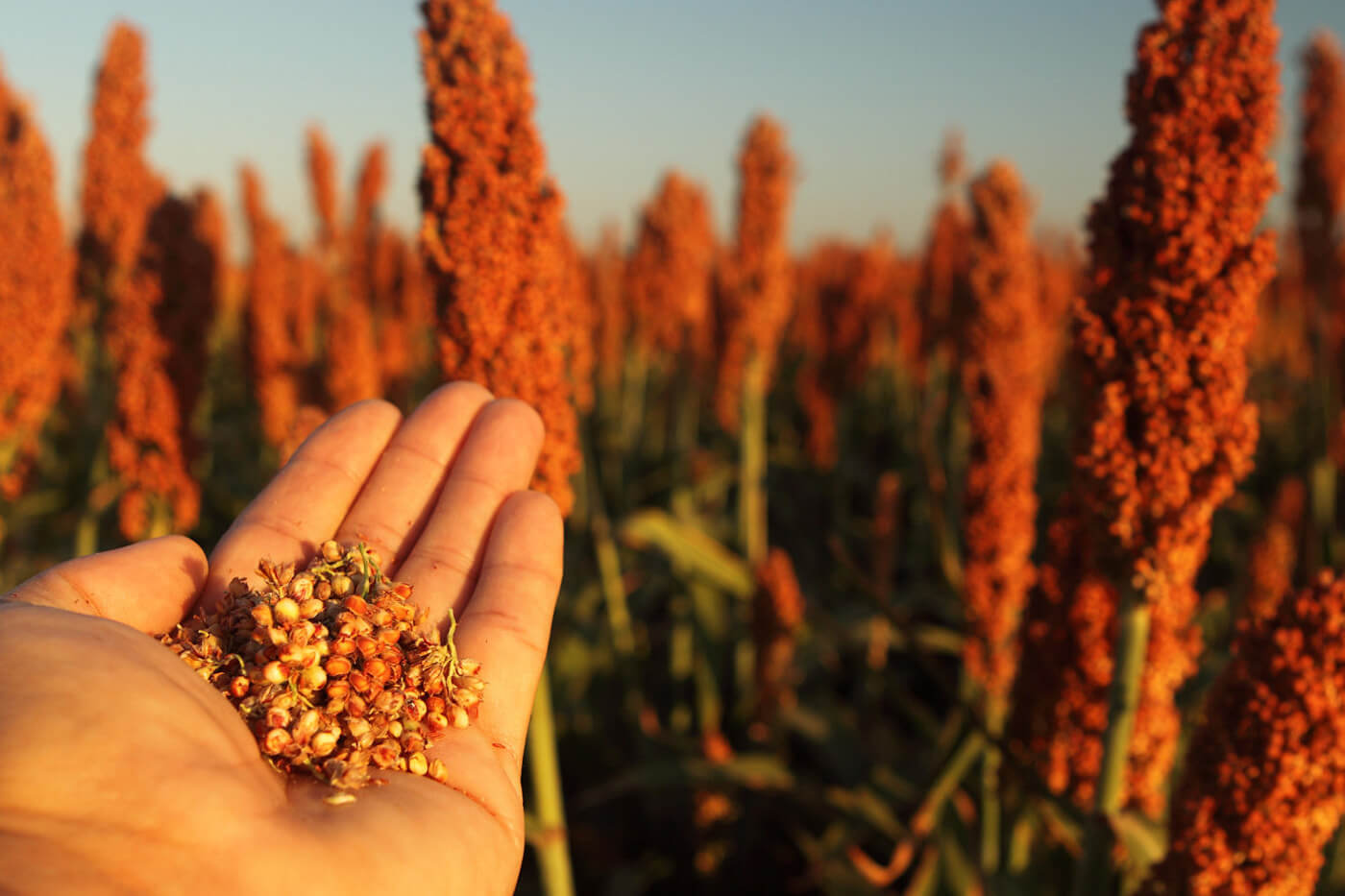
Sorghum is rapidly gaining popularity among Polish farmers and is increasingly competing with feed corn, particularly on poor and drought-prone soils. According to Polish agricultural portal Farmer.pl, the area planted with sorghum reached a record 12,500 hectares in 2025, compared with around 208 hectares in 2020 — an increase of roughly 60 times.
Interest in sorghum is driven by its drought tolerance, ability to grow on sandy soils across a wide pH range, and relatively low production costs. The crop is used for green fodder, grain production, and as feedstock for biogas plants. At the same time, precise sowing dates remain crucial, as young plants are vulnerable to May frosts.
Farmer.pl estimates that, if the previous growth trend had continued, Poland’s sorghum area could have exceeded 28,000 hectares in 2026. However, due to May drought, limited availability of certified seed, and shortages of harvesting equipment, a more realistic estimate is around 20,000 hectares, which would still represent a significant expansion from last year.
Sorghum cultivation is also supported by instruments under the EU’s Common Agricultural Policy. Polish farmers may receive basic per-hectare support, redistributive payments, top-ups for young farmers, and additional funding through eco-schemes. The crop contributes to crop rotation diversification, can be used as an intermediate crop, and helps farms meet minimum soil-cover requirements.
Certain sorghum hybrids, including sorghum-sudangrass hybrids, are included in Poland’s organic farming support programs. In addition, farms may receive partial reimbursement for elite seed purchases and, in the event of losses caused by extreme drought, may qualify for state aid once damage has been officially assessed.
Experts believe that further expansion of sorghum will depend on the availability of early-maturing varieties adapted to Poland’s climate. Last season, farmers harvested an average of around 7 tonnes per hectare of wet grain with a moisture content of 20–25%, requiring further drying. For reliable germination, soil temperatures must reach at least 10–12°C, so sowing is recommended in the second half of May, when frost risks are lower.
For almost 30 years of expertise in the agri markets, UkrAgroConsult has accumulated an extensive database, which became the basis of the platform AgriSupp.
It is a multi-functional online platform with market intelligence for grains and oilseeds that enables to get access to daily operational information on the Black Sea & Danube markets, analytical reports, historical data.
You are welcome to get a 7-day free demo access!!!
Read also
Palm oil prices in Malaysia rise to four-week high
Cambodia exports over 1 mln tons of rice for the first time as shipments to the Ph...
China loses share of Argentine beef exports as US and Israel increase purchases
Global sugar market faces deficit of over 6 mln tons due to poor harvests
Ukraine advised to make greater use of Galati and Braila ports for grain exports




Got additional questions?
We will be happy to assist!
Write to us
Our manager will contact you soon