

Russian grain intervention purchases hampered by elevator shortages and wheat quality risks
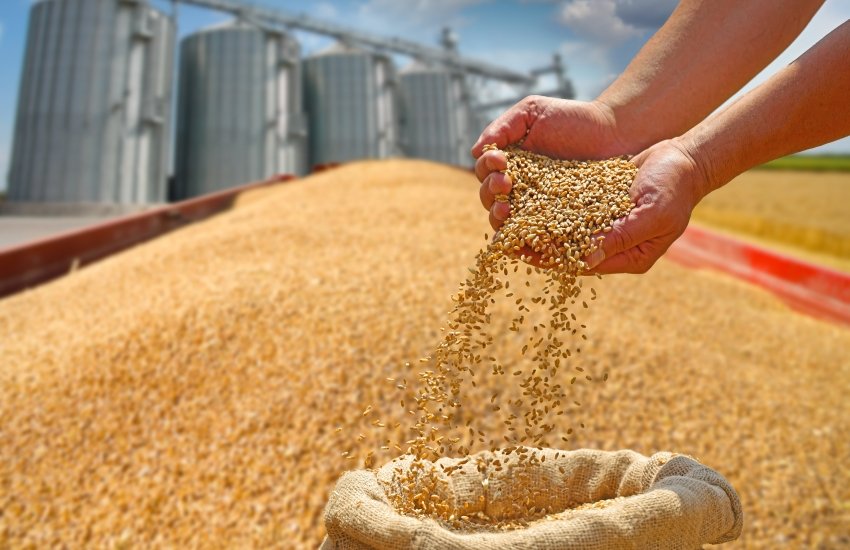
Russia launched state grain intervention purchases on October 29, but the first trading sessions showed limited farmer participation. Of the 18.9 thsd tons offered for purchase, the government bought only 9.45 thsd tons of wheat worth approximately RUB 111.1 mln ($1.38 mln). Only four of the eight scheduled trading sessions took place. Market participants attributed the slow start to a shortage of grain storage facilities, transportation costs, and difficulties in obtaining approval to participate in the auctions.
One of the main obstacles is the limited number of grain elevators participating in the state intervention program. In early October, storage facilities offered capacity for only 1.3 mln tons of grain against a requirement of 3 mln tons. The shortage is particularly severe in Russia’s southern regions, where many elevators are still undergoing accreditation. As a result, farmers cannot always sell grain to the government at facilities located near their farms.
Delivery conditions create additional risks. After concluding a deal, farmers must transport wheat at their own expense to a designated elevator, which may be located far from their farms. The grain must meet established quality standards, with final inspections carried out upon delivery. If the wheat fails to meet the required specifications, farmers risk having their shipments rejected after already paying transportation costs. This significantly reduces the economic attractiveness of participating in the intervention program.
Purchase prices at the first auctions were RUB 11,100/t ($138/t), including VAT, for Class 3 wheat and RUB 10,550/t ($131/t) for Class 4 wheat. Some farmers consider these prices insufficiently attractive given delivery expenses and potential risks. Meanwhile, producers with their own storage facilities are holding back sales, hoping for a recovery in grain exports through the Azov-Black Sea basin and higher domestic prices.
Russia’s Agriculture Ministry plans to purchase up to 3 mln tons of grain through state interventions, but achieving this target will depend on expanding the network of accredited elevators and attracting more farmers. At the start of trading, only 48 agricultural producers had been approved to participate, while more than 200 others were still completing registration. Market participants expect purchases to increase gradually, although limited storage capacity and additional costs for farmers may continue to constrain activity.
Read also
Ethiopia targets 27% increase in wheat output through expansion of irrigated areas
Global mushroom demand recovers after a challenging summer season
Canada raises canola ending stocks forecast by nearly 500 thsd tons
Ukraine and Turkey agree to work on restoring the Black Sea grain corridor
Brazil resumes US wheat purchases amid competition from Russia




Got additional questions?
We will be happy to assist!
Write to us
Our manager will contact you soon