

Державні закупівлі зерна в рф стримують нестача елеваторів та ризики відмови у прийманні пшениці
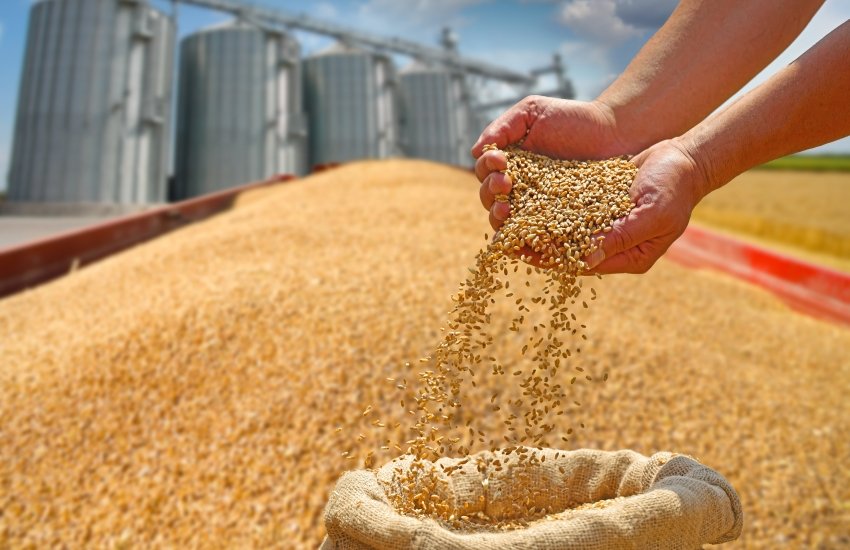
Russia launched state grain purchasing interventions on October 29, but the first trading sessions showed weak farmer participation. Of the 18.9 thsd tons offered, the government purchased only 9.45 thsd tons of wheat worth approximately 111.1 mln rubles ($1.38 mln). Only four of the eight scheduled trading sessions took place. Market participants attribute the slow start to limited silo capacity, logistics costs, and difficulties farmers face in gaining access to the auctions.
One of the main problems is the limited number of silos participating in the state purchasing program. In early October, available grain storage capacity totaled just 1.3 mln tons against the required 3 mln tons. The shortage is particularly acute in Russia’s southern regions, where many silos are still undergoing accreditation. As a result, farmers often struggle to find nearby facilities eligible to receive grain under the state purchasing program.
Delivery conditions pose additional risks. After concluding a contract, farmers must transport wheat to a designated silo at their own expense, sometimes over considerable distances. The grain must meet established quality standards, with final inspections conducted upon delivery. If the wheat fails to meet the required specifications, farmers risk having their shipments rejected after already paying transportation costs. This significantly reduces the economic attractiveness of participating in state purchases.
Purchase prices at the first auctions stood at 11.1 thsd rubles/t ($138/t), including VAT, for Class 3 wheat and 10.55 thsd rubles/t ($131/t) for Class 4 wheat. Some farmers consider these terms unattractive given transportation costs and potential risks. In addition, producers with their own storage facilities are reluctant to sell, anticipating a recovery in exports through the Azov-Black Sea region and higher domestic prices.
Russia’s Agriculture Ministry plans to purchase up to 3 mln tons of grain under the state intervention program, but achieving this target will depend on expanding the network of accredited silos and attracting more farmers. At the start of trading, only 48 farms had been approved to participate, while more than 200 others were still undergoing registration. Market participants expect purchasing volumes to increase gradually, although limited storage capacity and additional costs for farmers could continue to constrain activity.
Читайте також
Виробництво етанолу в Індії забезпечує дешевшу альтернативу соєвому шроту
Атака на судно в Балтійському морі створює нові ризики для російського зернового е...
Україна розглядає можливість створення агрохабу в ОАЕ для розширення експорту
Європейські аграрії попереджають про дефіцит кормів через нові вимоги EUDR
Аргентина збільшила експорт соняшнику до ЄС майже у 42 рази




У Вас виникли додаткові запитання?
Будемо раді допомогти!
Напишіть нам
Наш менеджер зв'яжеться з Вами найближчим часом