

Russian authorities begin acknowledging that the fuel crisis is dragging on
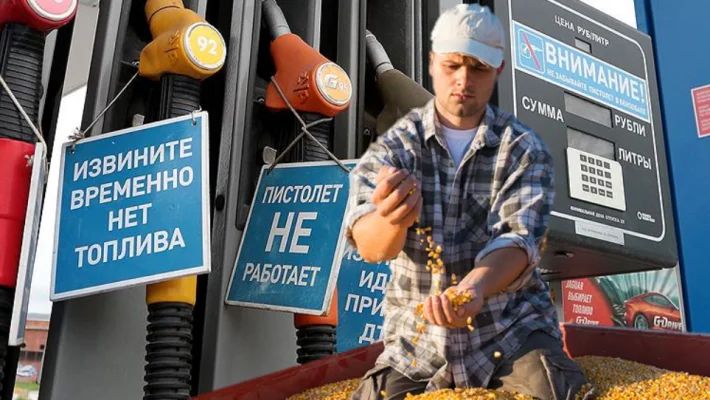
Russian President Vladimir Putin has effectively acknowledged for the first time that the country’s fuel shortage will not be resolved quickly. Speaking at the People’s Front forum, he said that Ukrainian drone strikes are creating problems with petroleum products and expressed only hope that the situation would “gradually improve.” The statement suggests that the Kremlin is no longer confident it can stabilize the fuel market in the near term.
The change in rhetoric is particularly noticeable compared with Putin’s previous statements. On June 28, he described the fuel shortage as “not critical” and said it could be resolved quickly by accelerating refinery repairs, increasing fuel imports, and strengthening air defenses around oil refineries. Even on July 8, he argued that the situation could be normalized by improving cooperation with major oil companies so they would supply more fuel to independent filling stations. Now, however, the Kremlin has effectively abandoned specific promises of a rapid solution.
According to Russian analysts, this shift indicates that the fuel shortage has become far more serious than the authorities initially expected. They believe the future course of the crisis now depends less on government administrative measures and more on whether Ukrainian drone strikes against Russia’s fuel infrastructure continue.
The prolonged diesel fuel shortage poses additional risks to the grain harvest. Harvesting in several regions is already running one to two weeks behind schedule, and limited fuel supplies could further slow field operations during the peak of the season. This increases the risk of yield losses and deterioration in grain quality.
Grain exports are also facing mounting challenges. Following attacks on vessels in the Sea of Azov, traffic through the Azov-Don Canal and the Kerch Strait has been restricted, even though this route previously handled about a quarter of Russia’s wheat exports. Redirecting shipments through Novorossiysk increases transportation costs and cannot fully compensate for the lost export capacity.
Taken together, the fuel crisis and logistical disruptions could significantly complicate both the harvest campaign and grain exports. If fuel shortages persist through the peak harvest period, grain could accumulate in storage facilities, domestic farmgate prices could decline, and foreign currency earnings from one of Russia’s key export sectors could be reduced.
For almost 30 years of expertise in the agri markets, UkrAgroConsult has accumulated an extensive database, which became the basis of the platform AgriSupp.
It is a multi-functional online platform with market intelligence for grains and oilseeds that enables to get access to daily operational information on the Black Sea & Danube markets, analytical reports, historical data.
You are welcome to get a 7-day free demo access!!!
Read also
Moldovan farmers threaten protests over possible lifting of restrictions on Ukrain...
Global durum wheat market faces shortage of high-quality grain
Argentina expands sunflowerseed production and crushing amid high global sunflower...
Spanish producers call for withdrawal of up to 20% of olive oil from market amid f...
Jordan buys 60 thsd tons of wheat in tender




Got additional questions?
We will be happy to assist!
Write to us
Our manager will contact you soon