

Palm down on stronger ringgit, better Indonesia offers
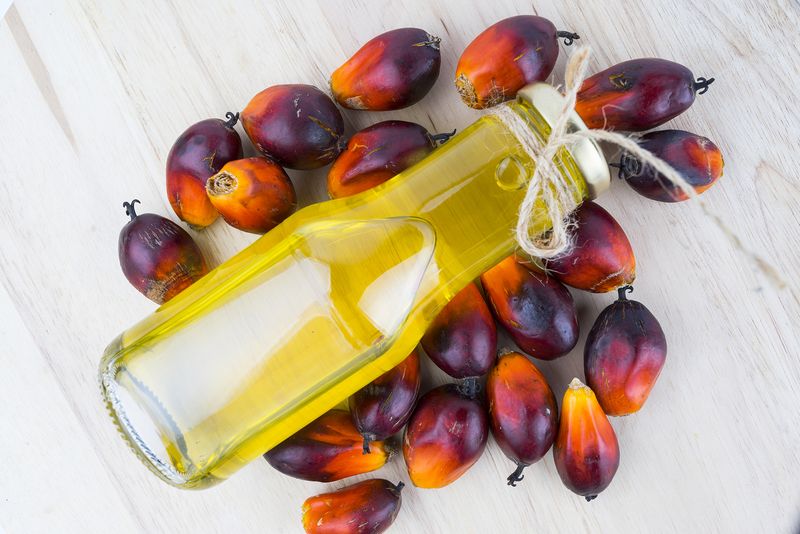
Malaysian palm oil futures declined on Wednesday, as better offers from larger producer Indonesia and a strengthening ringgit weighed.
The benchmark palm oil contract for February delivery on the Bursa Malaysia Derivatives Exchange slid 25 ringgit, or 0.64% to 3,872 ringgit ($833.58) by midday.
A major reason behind the decline in prices was the aggressive offers from neighbouring Indonesia, the world’s biggest palm oil producer and exporter, said Paramalingam Supramaniam, director at Selangor-based brokerage Pelindung Bestari.
“The ringgit is also somewhat strengthening, putting pressure to the already fragile exports.”
The ringgit rose 0.54% against the dollar, making the commodity more expensive for buyers holding foreign currency.
In related oils, Dalian’s most-active soyoil contract was down 0.02%, while its palm oil contract fell 1.13%.
Soyoil prices on the Chicago Board of Trade were down 0.4% after an overnight surge on expectation that hot and dry weather in Brazil would reduce soybean yields in the world’s top producer.
Palm oil is affected by price movements in related oils as they compete for a share in the global vegetable oils market.
Oil moved in a narrow range on Wednesday as investors turned cautious ahead of a crucial OPEC+ meeting on
Thursday to decide output policy in the next months, while a supply disruption in the Black Sea provided a floor for prices. O/R Weaker crude oil futures make palm a less attractive option for biodiesel feedstock.
Palm oil may bounce into a range of 3,935 ringgit to 3,953 ringgit per metric ton, Reuters technical analyst Wang Tao said.
Read also
US soybean oil stocks fall to lowest level in nearly 12 years
Winter rye planting area in Ukraine shows no growth
EU soybean production to fall 20% to 2.4 mln tons in 2026
Bulgaria’s wheat exports reach record pace in 2026/27
Ukrainian farmers plan to expand cotton planting in 2027 following successful trials




Got additional questions?
We will be happy to assist!
Write to us
Our manager will contact you soon