

Nigeria set to revive cocoa industry amid crude oil crisis
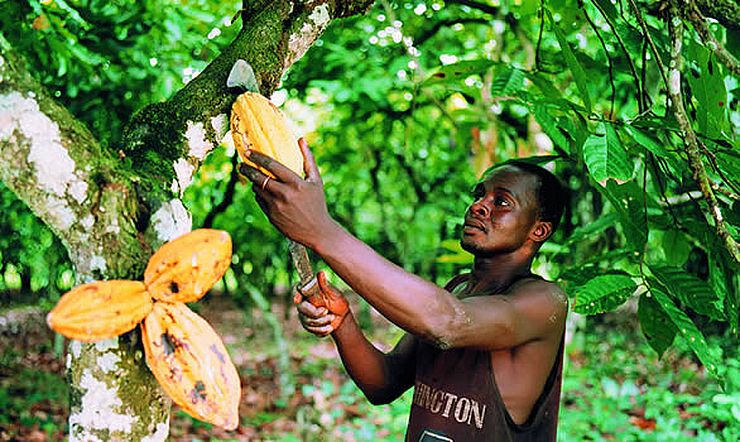
A sharp rise in global cocoa prices and a drop in crude oil revenues have forced Nigeria to look to agriculture as a potential economic driver. However, a lack of infrastructure, regulation and climate change are raising questions about the revival of the industry, which in 2006 produced 485,000 tonnes, but now lags behind neighbouring Ivory Coast (1.67 million tonnes) and Ghana (530,000 tonnes).
According to Jeune Afrique, the cocoa boom of the 1960s allowed Nigeria to build the “House of Cocoa” in Ibadan, which today is a symbol of its former prosperity. The building has fallen into disrepair, as has the industry itself. According to the International Cocoa Organization (Icco), the country ranks fourth in the world, behind Ecuador, Ghana and Ivory Coast.
Potential and Policy Initiatives
“Nigeria can do better than its neighbours if it focuses on agriculture rather than oil,” says Adeola Adegoke, head of the Cocoa Association of Nigeria (CFAN). In May, the government approved a bill to create a national cocoa authority, following the example of Côte d’Ivoire and Ghana, where government support, access to credit and infrastructure upgrades have helped reduce losses and stabilise prices.
But 87-90% of Nigeria’s cocoa is exported raw, with local factories producing only butter and powder.
The Sector’s Challenges
The sector faces banditry, conflicts between farmers and herders, and a lack of roads and finance. “Farmers are fleeing their lands and contracts are being violated,” says Adegoke. Rising cocoa bean prices could provide a boost, but smuggling to neighbouring countries and fixed futures prices are limiting profits.
“To catch up with our neighbours, we need research, roads and credit for farmers,” says Olasunkanmi Owoyemi of Sunbeth Global Concepts, which is building a processing plant in Ogun state. He says the Nigerian cocoa industry “is still alive and well and can do better.”
“The potential is huge. We have a lot of farmland and a large population. But we need people who are trained, empowered and have the resources to do it well,” Owoyemi says.
Nigeria, where oil accounts for 90% of exports, is at a crossroads: either diversify its economy through cocoa or continue to depend on oil and lose ground in the global agribusiness race.
For almost 30 years of expertise in the agri markets, UkrAgroConsult has accumulated an extensive database, which became the basis of the platform AgriSupp.
It is a multi-functional online platform with market intelligence for grains and oilseeds that enables to get access to daily operational information on the Black Sea & Danube markets, analytical reports, historical data.
You are welcome to get a 7-day free demo access!!!




Got additional questions?
We will be happy to assist!
Write to us
Our manager will contact you soon