

Nigeria aims to reduce palm oil imports and revive domestic production
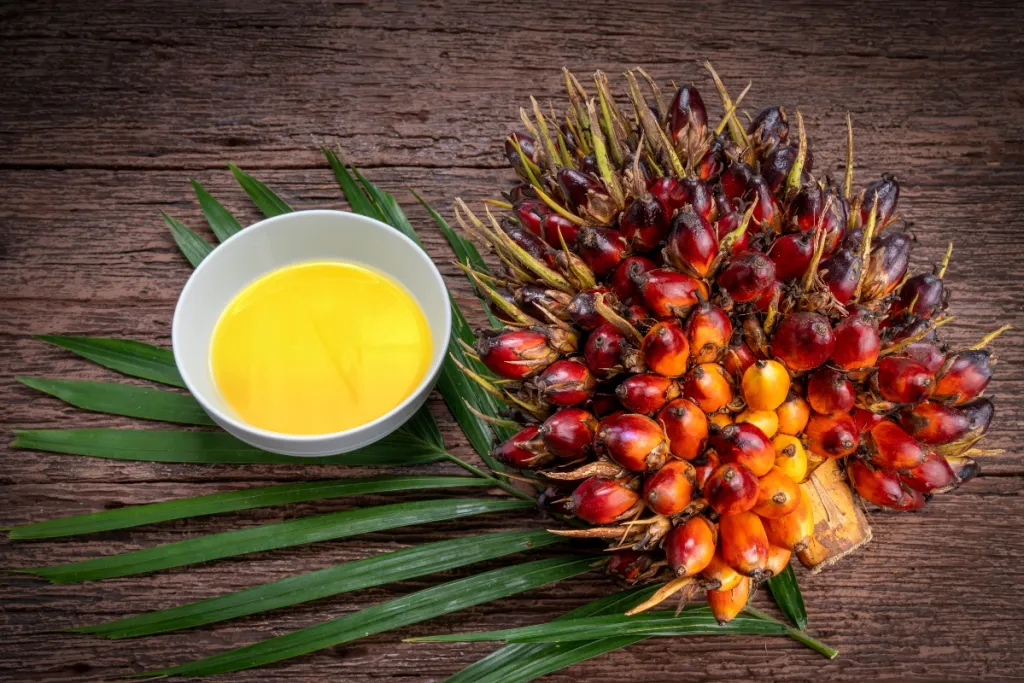
Nigeria is stepping up efforts to revive its domestic palm oil industry in a bid to reduce import dependence and strengthen the country’s food security. According to the Federal Ministry of Agriculture and Food Security, Nigeria produces between 1.4 and 1.5 million metric tons of palm oil annually, while domestic consumption is estimated at 2.2–2.4 million metric tons. As a result, the country spends an estimated $500–600 million each year on crude palm oil imports.
Although Nigeria is the historical birthplace of the oil palm, it has lost its leading position in the global market. In the 1960s, the country accounted for more than 40% of global palm oil production, but its share has now fallen to below 5%. Meanwhile, Indonesia and Malaysia have become the world’s dominant producers through large-scale investments in plantations, modern technologies, and processing capacity.
The Nigerian government has identified oil palm as a priority commodity under its agricultural transformation strategy. Key measures include the adoption of high-yield seedlings, modernization of processing facilities, expansion of plantations, and closer cooperation with Malaysia to promote technology transfer and investment. Authorities also plan to encourage domestic production through import duties and tax incentives.
Industry experts estimate that Nigeria has more than 3 million hectares of land suitable for oil palm cultivation, offering significant potential for expansion. However, the sector continues to face challenges, including land disputes, aging plantations, low-yield planting material, limited mechanization, and the dominance of smallholder farmers, who account for more than 80% of the country’s palm oil production.
Despite these constraints, domestic demand for palm oil remains strong, and the country’s leading producers continue to report solid financial performance. Industry stakeholders believe that with consistent government support, greater investment, and modern production technologies, Nigeria could significantly reduce its reliance on imports and gradually regain its position as one of the world’s leading palm oil producers.
For almost 30 years of expertise in the agri markets, UkrAgroConsult has accumulated an extensive database, which became the basis of the platform AgriSupp.
It is a multi-functional online platform with market intelligence for grains and oilseeds that enables to get access to daily operational information on the Black Sea & Danube markets, analytical reports, historical data.
You are welcome to get a 7-day free demo access!!!
Read also
Romania plans to restrict unscheduled freight train access to Constanta port
Global blueberry market faces tighter supplies and rising prices
China’s used cooking oil exports surge 55%, with Europe becoming the largest...
Kazakh flaxseed prices surge in Europe amid transit restrictions
Global food inflation intensifies amid declining grain shipments and rising logist...




Got additional questions?
We will be happy to assist!
Write to us
Our manager will contact you soon