

Middle East conflict strengthens vegetable oil market’s dependence on crude oil prices
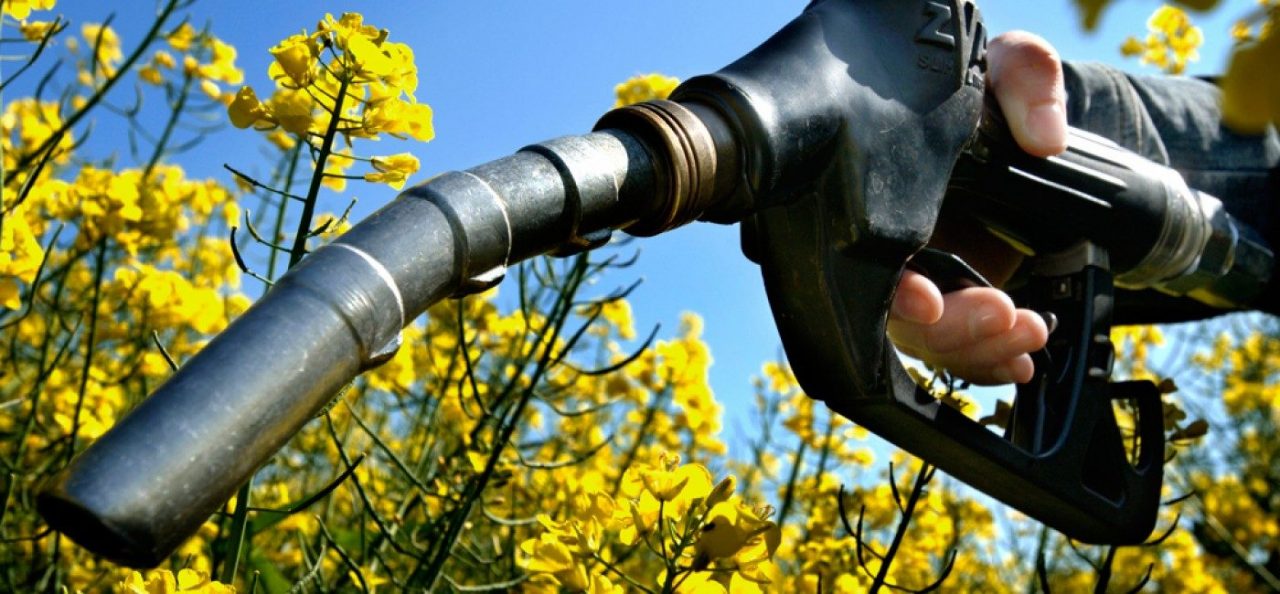
The renewed escalation of the conflict between the United States and Iran has once again brought the crude oil market to the forefront of the global vegetable oil trade. Following the escalation on July 13, crude oil prices surged, immediately supporting vegetable oil prices. The strongest reaction was seen in Malaysia’s palm oil market and U.S. soybean oil futures, as higher crude oil prices improve the competitiveness of biodiesel relative to conventional diesel fuel.
According to Glacier FarmMedia analysts, the key issue for the market is not how long the conflict lasts but its long-term impact on the global energy sector. Any disruption to crude oil supplies, or even the risk of such disruptions, is expected to keep energy prices elevated and sustain demand for biodiesel. As a result, the entire vegetable oil sector remains closely linked to the crude oil market and continues to react to its fluctuations.
Government biofuel policies are also providing long-term support for vegetable oil demand. Indonesia has already implemented its B50 biodiesel blend, Malaysia has begun its gradual transition to B15, and the United States has increased renewable diesel production mandates. Rising biofuel consumption in these countries is expected to boost global demand for vegetable oils and provide lasting support to the market even after geopolitical tensions ease.
Meanwhile, rapeseed oil remains the primary feedstock for biodiesel production in the European Union, meaning that high energy prices also support demand for rapeseed. This is particularly important for Ukraine, one of the world’s largest suppliers of rapeseed and rapeseed oil to the European market. As a result, the agricultural sector is becoming increasingly integrated with the energy sector, and vegetable oil prices are driven not only by crop prospects but also by developments in the crude oil market.
As a result, weather conditions and oilseed crop prospects are no longer the only key drivers of the vegetable oil market. Crude oil price movements, geopolitical risks, and biofuel policies adopted by the world’s leading economies are playing an increasingly important role in shaping market dynamics.
Read also
French agribusiness group Malteurop acquires malting plant in China
Palm oil price declines on profit-taking after weekly gains
Argentina’s sunflower planting area to remain unchanged from last season — BAGE
Heavy rains threaten Australia’s chickpea crop and delay harvest
USDA acknowledges error in September US corn crop forecast




Got additional questions?
We will be happy to assist!
Write to us
Our manager will contact you soon