

Mexico increases corn imports to 19.46 mln tons in nine months
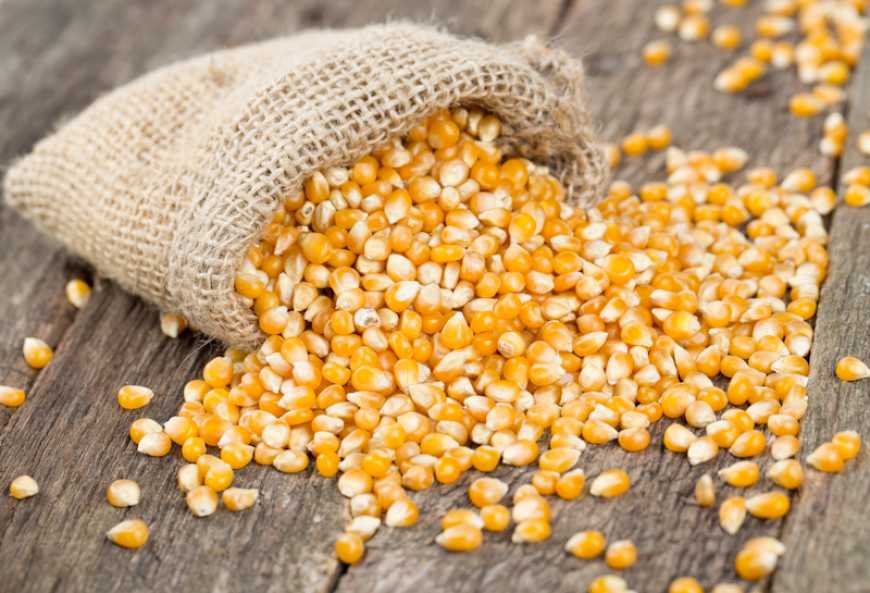
Mexico imported 19.46 mln tons of corn in January–September 2026, up 5.8% compared with the same period last year. The value of purchases reached $4.36 bln. According to agricultural market consultancy Grupo de Consultores de Mercados Agrícolas (GCMA), corn remains the country’s main imported grain, accounting for 52.2% of total import volumes of grains, oilseeds and their processed products.
The increase was mainly driven by stronger demand for yellow and cracked corn, with imports rising by 7.4% to 18.87 mln tons. The United States accounted for 99.8% of these shipments, highlighting Mexico’s heavy reliance on US corn supplies. Meanwhile, white corn imports declined by 27.8% to 593.1 thsd tons. GCMA analysts noted that lower imports of certain grains do not necessarily indicate a recovery in domestic agricultural production.
Overall, Mexico imported 37.3 mln tons of grains, oilseeds and their processed products in the first nine months of 2026, up 5.1% year-on-year. Import spending increased by 8.1% to $11.92 bln, compared with $11.03 bln in the same period of 2025. According to GCMA estimates, domestic production covers only around 42% of the country’s grain and oilseed consumption, leaving Mexico heavily dependent on foreign suppliers.
Import spending also increased significantly in the soybean complex. The value of soybean and soybean product imports rose by 23.8% to $3.33 bln, while import volumes increased by 16%. The soybean complex accounted for 71.6% of the overall increase in the value of imports in this agricultural product category. In addition, rapeseed imports increased by 15.6% in volume, while their purchase costs rose by 29.4%. Meanwhile, wheat imports declined by 1.6% to 4.37 mln tons, although their value increased by 7.7%.
Amid growing import dependence, GCMA has called on Mexican authorities to strengthen support for domestic grain and oilseed production. Proposed measures include expanding contract farming, introducing price risk management mechanisms, improving access to financing and providing technical assistance to producers. According to analysts, these measures could improve the competitiveness of local farmers and reduce the food market’s vulnerability to fluctuations in international prices.
Read also
Ukraine increases onion exports to the EU 4.3-fold despite declining European imports
High-quality wheat prices fall in Kazakhstan amid ample supplies, while feed wheat...
India cuts refined edible oil imports by 53% while increasing purchases of unrefin...
Collapse of Crimean Bridge creates new challenges for Russian grain exports
Around 90 vessels queue off Sulina as new attacks threaten higher freight rates




Got additional questions?
We will be happy to assist!
Write to us
Our manager will contact you soon