

Collapse of Crimean Bridge creates new challenges for Russian grain exports
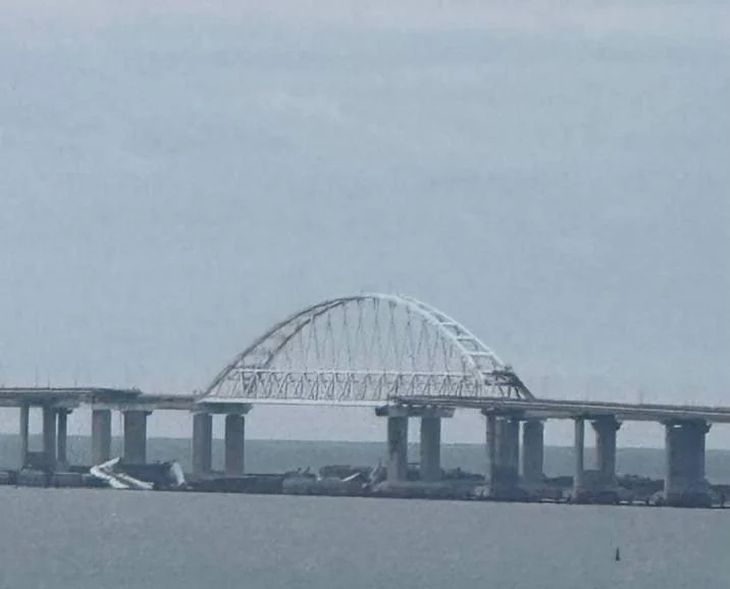
Russian grain exports have faced a new logistical challenge following the collapse of the road arch of the Crimean Bridge overnight on November 17. The massive metal structure, together with the road span, fell into the Kerch Strait and reportedly blocked the shipping channel. Its considerable size and weight complicate efforts to clear the waterway, creating additional obstacles to grain shipments from southern Russia.
The latest damage to transport infrastructure comes just as Russia was attempting to resume grain shipments from the Sea of Azov. After applications for vessel passage were suspended on July 10 due to Ukrainian attacks on Russian ships, Russian authorities issued permits for grain vessels to pass through the Kerch Strait for the first time in late October. The permits were valid until November 15, with some vessels expected to be escorted by Russian Navy ships.
The scale of maritime logistics problems is already reflected in export figures. In September 2026, Russian seaborne grain exports fell by 61.9% year on year to nearly 2 mln tons. Shipments through ports in the Azov-Black Sea basin plunged by 93.7% to 300 thsd tons. Meanwhile, Russian exporters have begun redirecting more cargoes to ports in the Baltic basin, although these routes cannot yet fully compensate for the loss of the southern export corridor.
Even a possible halt to attacks on maritime infrastructure will not guarantee a rapid recovery in exports. According to Reuters, three Russian grain terminals accounting for around 20% of the region’s export capacity sustained serious damage and will require months of repairs. In addition, clearing the Kerch Strait of the heavy metal structures will require specialized equipment and complex underwater operations. As a result, restoring safe vessel passage could take considerable time even after hostilities at sea have ceased.
Damage to port infrastructure, shipping restrictions and the destruction of transport facilities pose long-term risks to Russian grain exports in MY 2026/27. Redirecting cargoes to alternative routes increases logistics costs, while the recovery of full-scale shipments through the Sea of Azov and the Black Sea could take considerable time even if a maritime ceasefire is reached.
Read also
Around 90 vessels queue off Sulina as new attacks threaten higher freight rates
Australia forecasts record canola exports amid renewed shipments to China
Fertilizer subsidies in India cause substantial economic losses amid rising govern...
Shutdown of oilseed crushing plants will not cause an edible oil shortage in Ukrai...
Russian wheat export prices fall $8/t in a week amid weak demand




Got additional questions?
We will be happy to assist!
Write to us
Our manager will contact you soon