

Fertilizer subsidies in India cause substantial economic losses amid rising government spending
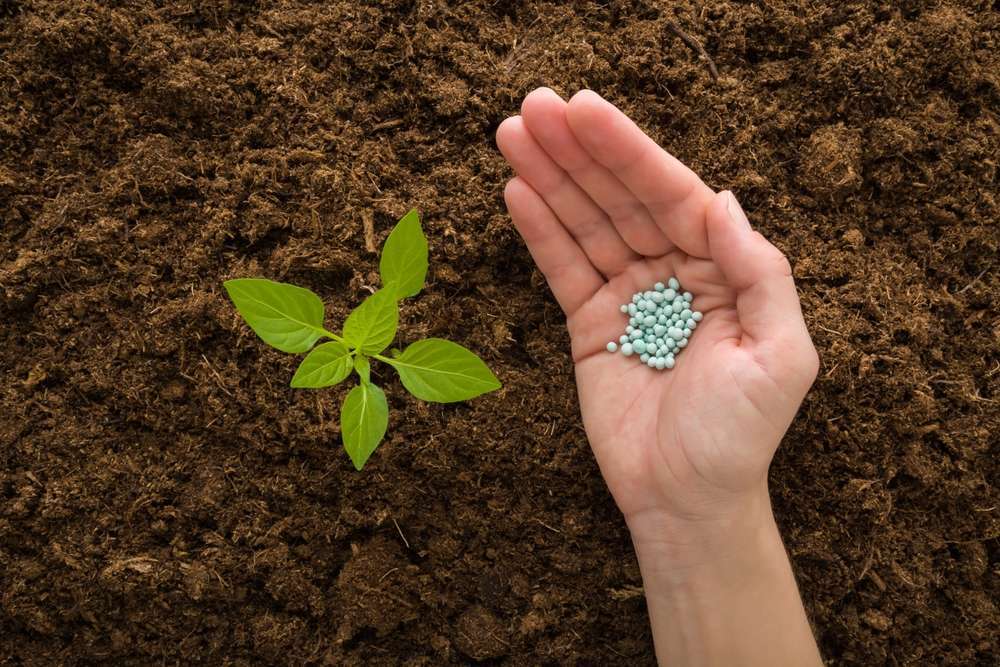
India’s government subsidy system for mineral fertilizers provides farmers with access to cheaper inputs but also generates significant hidden costs for the economy. According to Climate Trends’ study, “The Economics of Cultivation,” which examined wheat and rice cultivation across eight states, social economic returns from wheat production were 36–182% lower than farmers’ direct financial returns in the cases analyzed. In two of the five cases examined, net social returns were negative, Times of India reports.
Researchers identify excessive nitrogen fertilizer use, particularly urea, whose prices are kept low through government regulation, as a major problem. This encourages farmers to apply more fertilizer than necessary, disrupts the balance of soil nutrients and reduces fertilizer use efficiency. According to data cited in the study, grain production per kilogram of fertilizer used declined from 13.4 kg in 1970 to 2.7 kg in 2015.
Additional economic losses are associated with soil degradation, nitrate contamination of groundwater and increased greenhouse gas emissions. The study reports that 97% of the soil samples analyzed were deficient in nitrogen, while 85% had low organic carbon content. These costs are not reflected in individual farms’ financial results but affect the long-term productivity of agriculture.
Meanwhile, government spending on producer support continues to increase. In November, the Indian government approved subsidies for phosphatic and potassic fertilizers for the 2026/27 winter cropping season totaling INR 623.7 billion (approximately $6.65 billion). This represents an increase of around 64% from the INR 379.5 billion allocated for the corresponding period of the previous season. Rising prices for imported fertilizers, driven by supply disruptions in the Persian Gulf region, are adding further pressure to the government budget.
The study’s authors emphasize the need to revise subsidy mechanisms so that government support encourages efficient fertilizer use rather than higher application rates. Proposed measures include fertilizer application based on soil testing, balanced crop nutrition, wider adoption of biological inputs and partial replacement of mineral fertilizers with organic alternatives. According to the experts, these measures could gradually reduce budgetary costs and environmental damage while maintaining support for agricultural production.
Read also
Australia forecasts record canola exports amid renewed shipments to China
Shutdown of oilseed crushing plants will not cause an edible oil shortage in Ukrai...
Russian wheat export prices fall $8/t in a week amid weak demand
China could set record soybean oil exports in 2026/27
Nearly 44% of Ukraine’s corn area remains unharvested by mid-November




Got additional questions?
We will be happy to assist!
Write to us
Our manager will contact you soon