
Mexico deepens dependence on imported corn
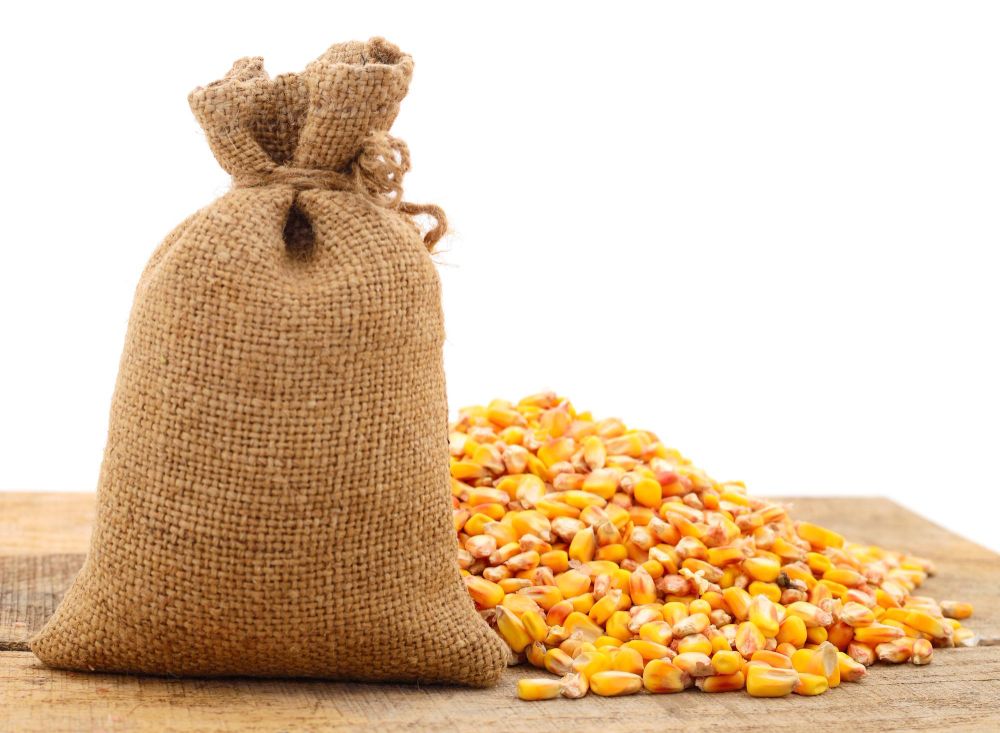
Source:  AgroXXI
кукурудза

Mexico is expected to import record volumes of corn in the 2026/27 marketing year as domestic production declines and demand from the livestock sector continues to grow. According to the U.S. Department of Agriculture (USDA), the country’s corn imports are forecast at 26.5 million metric tons in 2025/26 and 27 million metric tons in 2026/27, marking the highest level ever recorded.

At the same time, Mexico’s corn production in 2026/27 is projected at 24.3 million metric tons, down 2% from the previous year. In major producing states such as Jalisco, Michoacán, and Guanajuato, some farmers are expected to reduce corn acreage or switch to sorghum due to its lower production costs.

Rising input costs are adding pressure on growers. Data from Mexico’s National Market Information System (SNIIM) show that urea prices increased by 42% year-on-year in May 2026, while diammonium phosphate prices rose by 9%. Higher diesel prices and the impact of tensions in the Middle East have also contributed to increased production expenses.

A key driver of rising imports is the expansion of the livestock industry, particularly poultry production. In 2025, Mexico’s poultry output increased by 4.4% to 7.31 million metric tons. The sector consumes about 18.8 million metric tons of feed annually, with more than 60% consisting of feed grains, mainly corn and sorghum.

The United States remains Mexico’s primary corn supplier due to competitive prices, consistent grain quality, and efficient logistics. Between October 2025 and April 2026, Mexico imported 14.7 million metric tons of corn, with nearly all shipments originating from the U.S. Around 65% of imports entered the country by rail through the northern border.

However, the Mexican government disputes claims that the country is becoming increasingly dependent on foreign food supplies. Officials from the Ministry of Agriculture and Rural Development (SADER) emphasize that Mexico remains largely self-sufficient in white corn used for human consumption. According to the ministry, imports consist mainly of yellow corn destined for feed and livestock production, meaning they do not indicate a shortage of food-grade grain.

Tags: , ,

Got additional questions?
We will be happy to assist!

Secret Link



