

Light-based technology improves greenhouse pest control
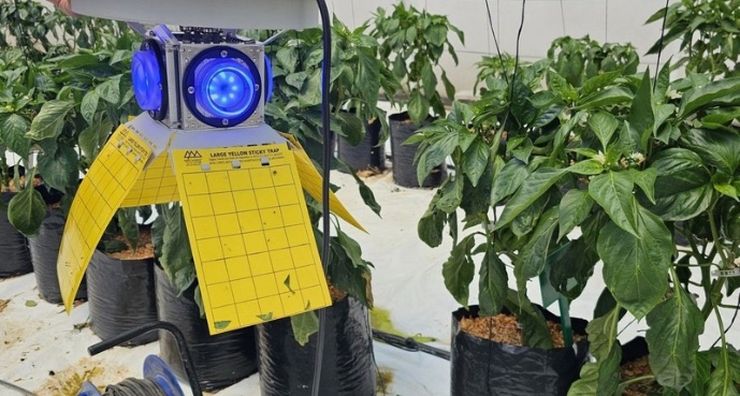
Light frequency, trap placement, and operating schedules influence the effectiveness of pest capture in protected cultivation.
This was reported by FreshPlaza.
New experiments in South Africa have shown that precise adjustment of light parameters and trap placement significantly increases the efficiency of pest monitoring and control in greenhouses and open fields. The research focuses on thrips, Tuta absoluta, and various moth species that cause substantial damage to agriculture.
The studies found that pests respond to specific light frequencies, and that placing traps directly beneath the light source ensures maximum capture rates. In greenhouses, this makes it possible to optimize trap placement without increasing the number of traps used.
In addition, light systems tuned to particular frequencies are effective against different moth species in both protected and open-field crops. To ensure pollinator safety, the light sources operate only at night, when bees are not active.
The trials include various trap types, such as sticky traps, mesh traps, and fan-assisted traps. Optimizing operating schedules helps maintain trapping efficiency, reduce energy consumption, and minimize impacts on beneficial insects.
The results show that combining precise light tuning, proper trap placement, and controlled operating schedules makes it possible to create effective and sustainable pest monitoring tools for modern agricultural production.
Read also
Global blueberry market faces tighter supplies and rising prices
China’s used cooking oil exports surge 55%, with Europe becoming the largest...
Kazakh flaxseed prices surge in Europe amid transit restrictions
Global food inflation intensifies amid declining grain shipments and rising logist...
India restricts sugar-based ethanol purchases and cuts corn ethanol price




Got additional questions?
We will be happy to assist!
Write to us
Our manager will contact you soon