

Latvia allows transit fees on Russian grain to rise to 300%
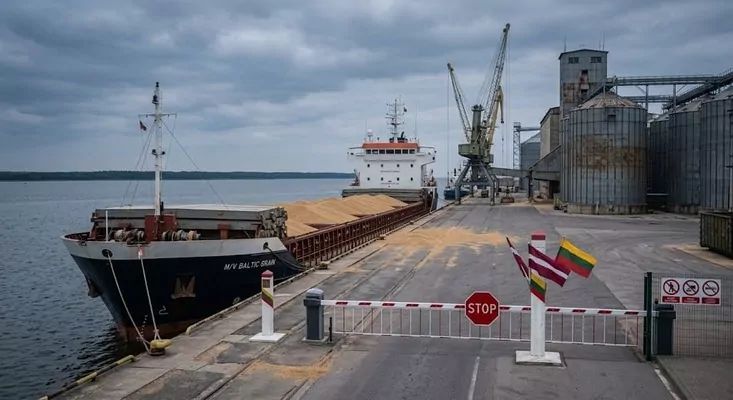
Latvia’s parliament on September 17 adopted urgent amendments to the Railway Law allowing infrastructure charges for grain transit originating in Russia to be revised more quickly. The amendments were supported by 53 MPs, with 12 voting against. The special procedure will remain in force until December 31, 2026.
The amendments shorten the publication period for changes in infrastructure charges from two months to two weeks. LatRailNet will then have one week to review the fee and determine a new level. The government has proposed that the infrastructure manager consider raising the charge for such shipments to as much as 300% of the current level.
The new mechanism will apply to grain cargoes where the station of origin stated in transport documents is located in Russia, including rail shipments to Latvian ports for further export. The rules will apply to all carriers regardless of their country of registration or ownership.
The exact level of the higher charge has yet to be determined. The legislation still requires consultations, economic justification for the new fee and regulatory oversight. Potential consequences cited in connection with the measure include lower freight volumes and possible legal disputes.
Separately, parliament referred another bill to committee that would completely ban the transit through Latvia of agricultural and feed products of Russian and Belarusian origin, as well as their storage in Latvian ports. The higher rail charge and a potential full transit ban are therefore being considered as separate measures.
Read also
India to launch sunflower oil futures trading
Coming Up in UkrAgroConsult Reports: Key Market Signals
Dragon Capital forecasts reopening of Black Sea grain corridor in 2027
Iran and Afghanistan are the only markets where Russian wheat has gained market share
USDA raises US corn production forecast




Got additional questions?
We will be happy to assist!
Write to us
Our manager will contact you soon