

Kenya’s barley production hits high, but exports limit supplies for animal feed
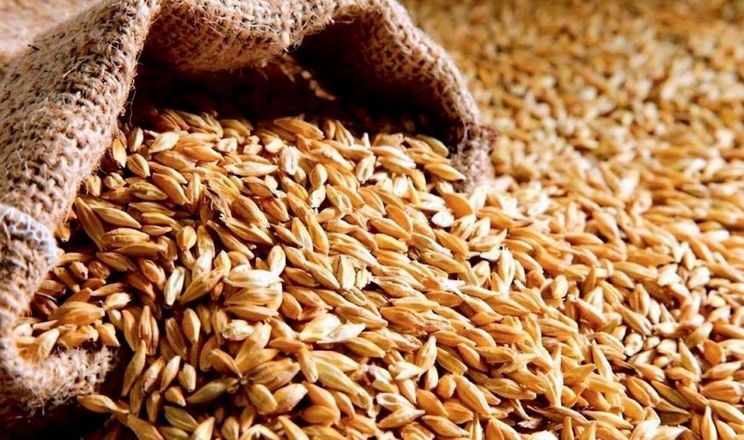
Kenya’s barley production reached a record 64.8 thsd tons in 2025, up 19.8% from the previous year. In 2024, production increased by 64.6%, indicating a rapid recovery following weather-related challenges in 2023. According to the US Department of Agriculture (USDA), rising production has been accompanied by expanding exports and stronger demand from the brewing industry, which could limit the availability of feed-grade barley for domestic compound feed manufacturers.
In 2025, Kenya exported around 40 thsd tons of barley worth $6.02 mln. Uganda was the main buyer, importing 38.34 thsd tons, or nearly 96% of total exports. Another 1.15 thsd tons was shipped to Tanzania. Expanding regional trade creates additional opportunities for Kenyan farmers but also intensifies competition between exporters and domestic grain consumers.
Strong demand for malting barley is creating a significant price gap between different barley grades. Feed-grade barley is priced at around KES 35–40/kg ($0.27–0.31) in the domestic market, while export prices reached KES 80/kg ($0.62) in 2025. Contracted malting barley growers can receive up to KES 60/kg ($0.46), encouraging farmers to focus on more profitable market segments.
Kenya’s compound feed industry is also facing corn shortages and high feed ingredient costs. Grain ingredients account for around 70% of compound feed formulations, while raw materials represent 70–80% of total feed production costs. Under these conditions, feed-grade barley could serve as an alternative energy source in poultry, cattle and pig diets. However, its use depends on price, availability and nutritional characteristics compared with corn.
Further growth in barley production could expand the raw material base for Kenya’s compound feed industry. However, strong export demand and more attractive prices for malting barley may restrict domestic supplies. Drought, unstable weather conditions and fluctuating production costs remain additional risks. Therefore, the prospects for barley use in compound feed will depend not only on future harvest volumes but also on price competition between the export, malting and feed markets.
Read also
Ukraine deposits 773 seed samples in the Svalbard Global Seed Vault in Norway
Wheat, corn and soybean prices fall in Chicago on Thursday
EU approves acquisition of Polish grain terminal by Bunge and CM
Brazil to increase corn production to 148 mln tons amid growing bioethanol demand ...
Ukraine considers establishing an agricultural hub in Egypt to expand agricultural...




Got additional questions?
We will be happy to assist!
Write to us
Our manager will contact you soon