

Indonesia’s biodiesel production to tighten palm oil supplies in 2027
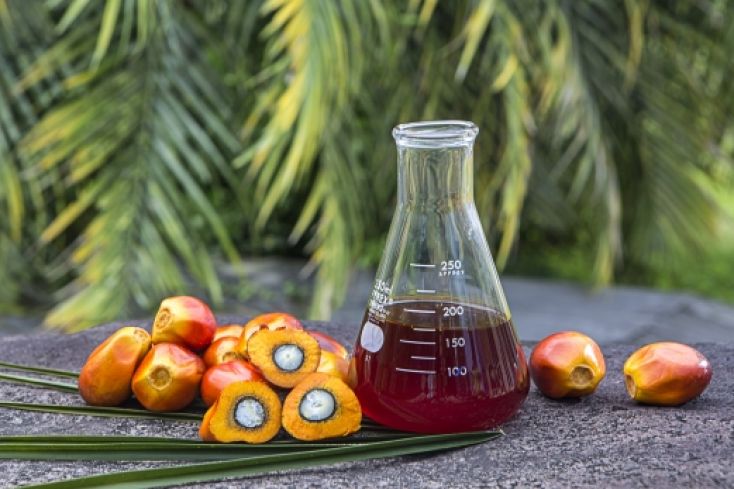
The global palm oil market could face tighter supplies in 2027 due to declining production in Indonesia and rising domestic consumption of palm oil for biodiesel. According to the Malaysian Palm Oil Council (MPOC), combined palm oil production in Indonesia, Malaysia and Thailand is forecast to decline by 2 mln tons to 71.4 mln tons, compared with 73.4 mln tons in 2026. Indonesia will account for most of the reduction, with output expected to fall by 1.7 mln tons to 48.1 mln tons.
Indonesia’s expanding B50 biodiesel program is putting additional pressure on the country’s palm oil export potential. The government initiative aims to increase the biodiesel blending ratio to 50%. In August 2026, palm oil consumption for biodiesel production reached a record 1.35 mln tons for the month, equivalent to approximately 16 mln tons on an annualized basis. Meanwhile, adverse weather conditions, particularly insufficient rainfall in Sumatra and Kalimantan, could further constrain production.
Against a backdrop of rising domestic consumption, Indonesia’s palm oil exports could decline by 2.9 mln tons in 2027 to 23.2 mln tons, compared with 26.1 mln tons in 2026. Combined shipments from Indonesia, Malaysia and Thailand are forecast at 40.9 mln tons, down 2.1 mln tons year-on-year. Malaysia could partially offset the decline in Indonesian exports by increasing its shipments by approximately 600 thsd tons to 16.75 mln tons, despite an expected reduction in domestic production to 19.77 mln tons.
Meanwhile, demand for palm oil from major importers remains relatively stable. MPOC forecasts China’s imports to decline to 4.7 mln tons in 2027 from 5.15 mln tons in 2026, while EU imports are expected to decrease to 3.8 mln tons from 3.9 mln tons. India, however, could increase purchases due to palm oil’s price advantage over soybean oil, which stood at around $120/t in mid-November. Reduced Indonesian shipments could create additional opportunities for Malaysian exporters in the Indian market.
The combination of lower production, increased palm oil use for biodiesel and sustained import demand could tighten the global vegetable oil market in 2027. MPOC analysts warn that a rapid decline in stocks or a larger-than-expected production drop could trigger a significant increase in prices. Future price movements will depend on weather conditions in Southeast Asia, the pace of Indonesia’s biodiesel program implementation and the relative prices of palm, soybean and sunflower oils.
Read also
Coming Up in UkrAgroConsult Reports: Key Market Signals
Rain threatens Australian wheat quality and delays harvest
US wheat export transportation costs rise by 24%
India’s ethanol production offers a cheaper alternative to soybean meal
Scotland to resume seed potato exports to the EU after seven-year ban




Got additional questions?
We will be happy to assist!
Write to us
Our manager will contact you soon