

Indonesia and Malaysia are nearing the limits of oil palm plantation expansion
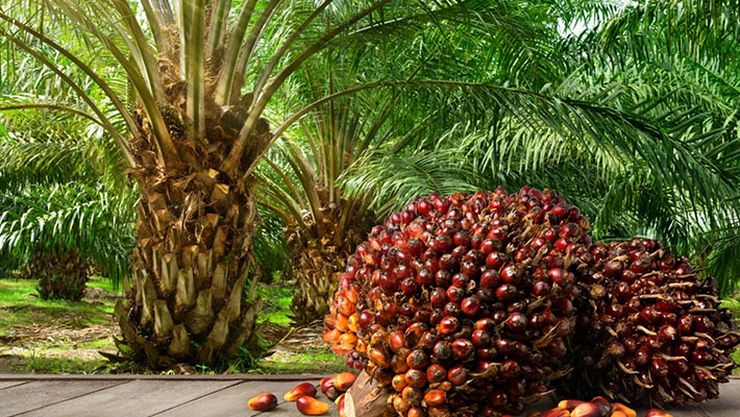
The world’s largest palm oil producers, Indonesia and Malaysia, are approaching the limits of their ability to increase production through plantation expansion. Limited land availability, ageing oil palm plantations and growing domestic demand for biofuels are restricting prospects for further export growth. According to Agrarmarkt Informations-Gesellschaft (AMI), the industry’s future development will increasingly depend on improving yields and replanting existing plantations.
Indonesia’s palm oil production is expected to remain at around 45 mln tons. The country’s oil palm plantation area is estimated at approximately 14 mln hectares, unchanged from the previous year, while average yields are projected at 3.2 tons/ha, slightly below last year’s level. In Malaysia, the plantation area may increase marginally to 5.7 mln hectares, although yields are also expected to decline slightly year-on-year to around 3.5 tons/ha.
With limited opportunities to develop new land, producers are increasingly focusing on replacing ageing oil palms with younger, higher-yielding varieties. This process is particularly important in Malaysia, where a significant share of plantations requires replanting. However, the transition poses short-term risks to production, as newly planted oil palms need several years to reach their full yield potential. In the longer term, replanting is expected to support more stable yields without requiring substantial expansion of cultivated areas.
Another factor limiting export availability is the growing use of palm oil in biodiesel production. Indonesia has introduced its B50 programme, requiring a 50% biodiesel blend in diesel fuel, as part of efforts to reduce dependence on petroleum imports. Malaysia is also gradually expanding biofuel use, including plans to increase regional biodiesel blending requirements from 15% to 20%. As a result, even if production volumes remain stable, a larger share of palm oil could be absorbed by domestic markets.
AMI analysts note that future palm oil production growth in Southeast Asia will primarily depend on higher plantation productivity, advances in breeding and the pace of replanting. At the same time, limited opportunities to expand exports are making the global vegetable oil market increasingly vulnerable to weather-related risks, particularly the effects of El Niño. Under these conditions, even a temporary decline in production in Indonesia or Malaysia could tighten global supplies and create upward pressure on international vegetable oil prices.
Read also
Turkey provisionally sells 400 thsd tons of milling wheat for export
Egypt becomes EU’s largest apple export market, overtaking the UK
From EU to Central Asia – Where Can the First Alternative Logistics Corridor...
Declining wheat stocks among Chinese farmers limit further price declines
US soybean crush rises 19% month-on-month to a new record




Got additional questions?
We will be happy to assist!
Write to us
Our manager will contact you soon