

India’s vegetable oil production to reach 9.6 mln tonnes in MY 2025/26
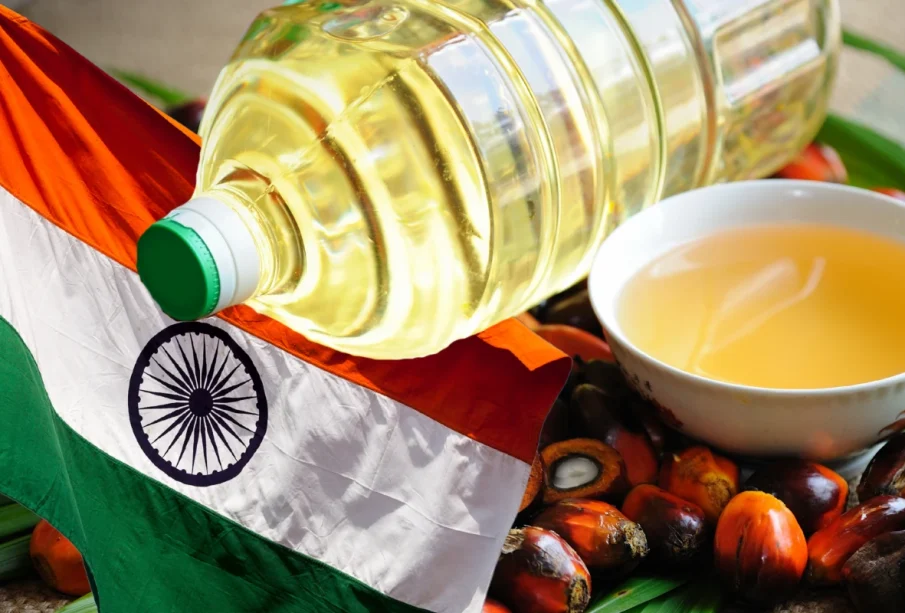
According to industry body IVPA, India’s edible oil production in the MY 2025/26, will total 9.6 million tonnes, and the country will need to import around 16.7 million tonnes of cooking oils to meet domestic demand.
India mainly imports soybean oil from Argentina and Brazil, while palm oil comes from Malaysia and Indonesia. Overall, about 60% of domestic consumption is met through imports.
Speaking at a conference in Kuala Lumpur, Sudhakar Desai, President of the Indian Vegetable Oil Producers’ Association (IVPA), said that “global edible oil markets have entered a phase of structural instability driven by shifts in trade, biofuel mandates and tight supplies.”
In a statement on Monday, Desai, who is also CEO of Emami Agrotech Ltd, said geopolitical realignments have reshaped global trade corridors.
Speaking on “Managing structural shifts in the global edible oil market: implications for India,” he said: “Small changes in tariffs, mandates or trade flows are now leading to disproportionate price swings across the supply chain.”
Domestic edible oil production in India in the 2025/26 oil year (October–September) is estimated at 9.6 million tonnes, covering only about 40% of the country’s needs. This implies import dependence of around 16.7 million tonnes, Desai forecast.
According to the Solvent Extractors’ Association of India (SEA), in the MY 2024/25 ended in October, India imported 16 million tonnes of edible oils worth nearly 1.61 million crore rupees.
Desai said total imports in 2025/26 are expected to include 8–8.5 million tonnes of palm oil, 5–5.5 million tonnes of soybean oil, 2.8–3 million tonnes of sunflower oil, and about 2,000 tonnes of other oils, including duty-free imports via Nepal.
“India’s import basket remains highly sensitive to price differentials between oils, especially palm and soybean oil. A spread difference of $50–60 per tonne is enough to shift volumes at scale, highlighting the lack of stickiness at the bulk oil level,” he said.
Palm oil imports have declined from over 10 million tonnes in 2021–22 to around 8 million tonnes.
Crushing margins remain low, restraining demand momentum, Desai said.
On trade policy, Desai noted that recently concluded free trade agreements and bilateral deals with partners such as the US, EU, Australia, the UAE and SAFTA members have become integral to market pricing and supply decisions.
“These agreements now directly influence cost structures in the market, arbitrage flows and processing economics,” he said.
IVPA is a trade body that has represented India’s edible oil and oilseed value chain for five decades.
For almost 30 years of expertise in the agri markets, UkrAgroConsult has accumulated an extensive database, which became the basis of the platform AgriSupp.
It is a multi-functional online platform with market intelligence for grains and oilseeds that enables to get access to daily operational information on the Black Sea & Danube markets, analytical reports, historical data.
You are welcome to get a 7-day free demo access!!!
Read also
Ukraine’s oilseed harvest may reach 20 mln tons in 2026
Maersk revises container freight rates between Ukraine, Gdansk and Constanta
Egypt increases its share of EU urea imports to nearly 60%
Wet corn prices in Poland rise 58% year on year, dry corn up 42%
MHP considers investment in poultry production in Moldova with an annual capacity ...




Got additional questions?
We will be happy to assist!
Write to us
Our manager will contact you soon