

Indian rice prices may rise as crop damage and harvest delays tighten supplies
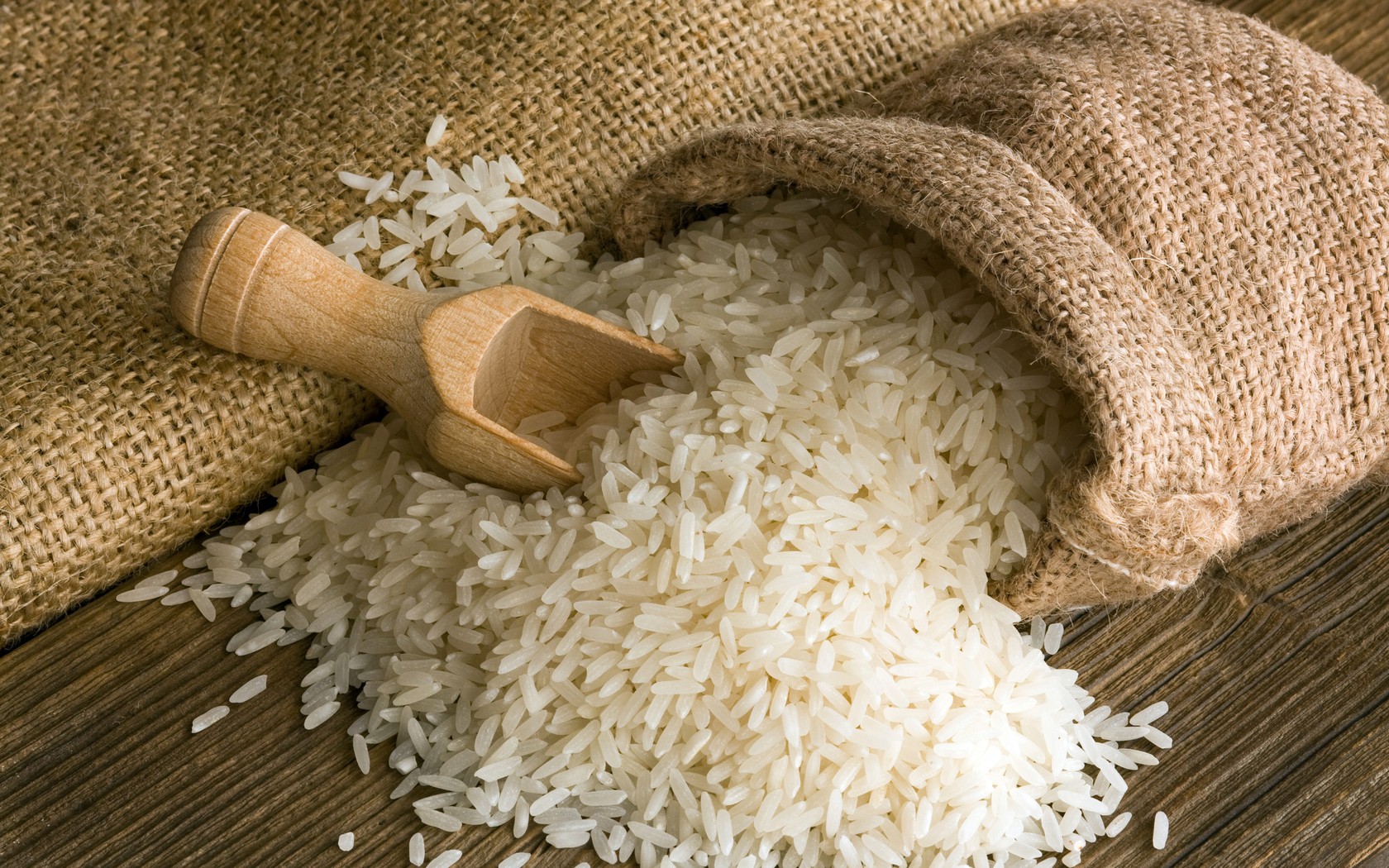
Rice prices in India may increase due to crop damage caused by Cyclone Arnab in Andhra Pradesh and unseasonal rains in central regions of the country, which are delaying harvesting. According to S&P Global Energy Platts, market participants expect a reduction in new-crop rice supplies, which could support domestic and export prices. As of October 29, the cyclone had caused significant damage to agricultural land, residential buildings and transport infrastructure. Preliminary estimates indicate that more than 70 thsd ha of rice crops and over 10 thsd ha of horticultural crops have been damaged.
Indian rice market participants expect prices to strengthen amid weather-related risks and a potential reduction in available supplies. According to Manoj Yadav, Senior CEO of Mewah Group, the impact of the cyclone is creating upward pressure on rice prices, although new-crop arrivals from Chhattisgarh could partially stabilize parboiled rice prices. Meanwhile, white rice prices are expected to remain firm. Exporters from Kakinada and Nagpur have also reported stronger price expectations in the domestic market.
Additional pressure on supplies comes from unseasonal rainfall in central India, particularly in Chhattisgarh, one of the country’s major rice-producing states. According to Mukesh Jain, president of the Rice Exporters Association of Chhattisgarh, it is still difficult to assess the extent of crop damage as rainfall continues in several areas. Local millers expect the harvest to be delayed by at least 15 days, which could temporarily restrict rice arrivals to the market and support prices.
India’s export market has already seen a moderate increase in prices for certain rice varieties. According to Platts, the price of Indian 5% broken parboiled rice reached $375/t FOB Kakinada on October 29, up $4/t from the previous week. Traders expect further price increases due to limited new-crop supplies. Meanwhile, demand from West African countries, which are major importers of Indian rice, remains subdued.
Weather-related disruptions come amid expectations of lower rice production in India in MY 2026/27. According to S&P Global Energy CERA, output could decline by 5% year on year to 146 mln tons, partly due to weather conditions associated with El Niño. Further price movements will depend on the extent of crop damage, harvesting progress and import demand. Prolonged rainfall and delays in new-crop deliveries could intensify upward price pressure in the Indian rice market.
Read also
Bayer to develop grain crops requiring less nitrogen fertilizer
European butter prices rise amid tightening milk supplies
German pig prices fall to €1.32/kg against production costs of €2.05/kg
Global agricultural machinery demand hits lowest level in over a decade — AGCO
Romanian Rapeseed Oil: Record Behind, Margin Battle Ahead




Got additional questions?
We will be happy to assist!
Write to us
Our manager will contact you soon