

Egypt seeks alternatives to Black Sea wheat and plans to buy 200 thsd tons from Poland
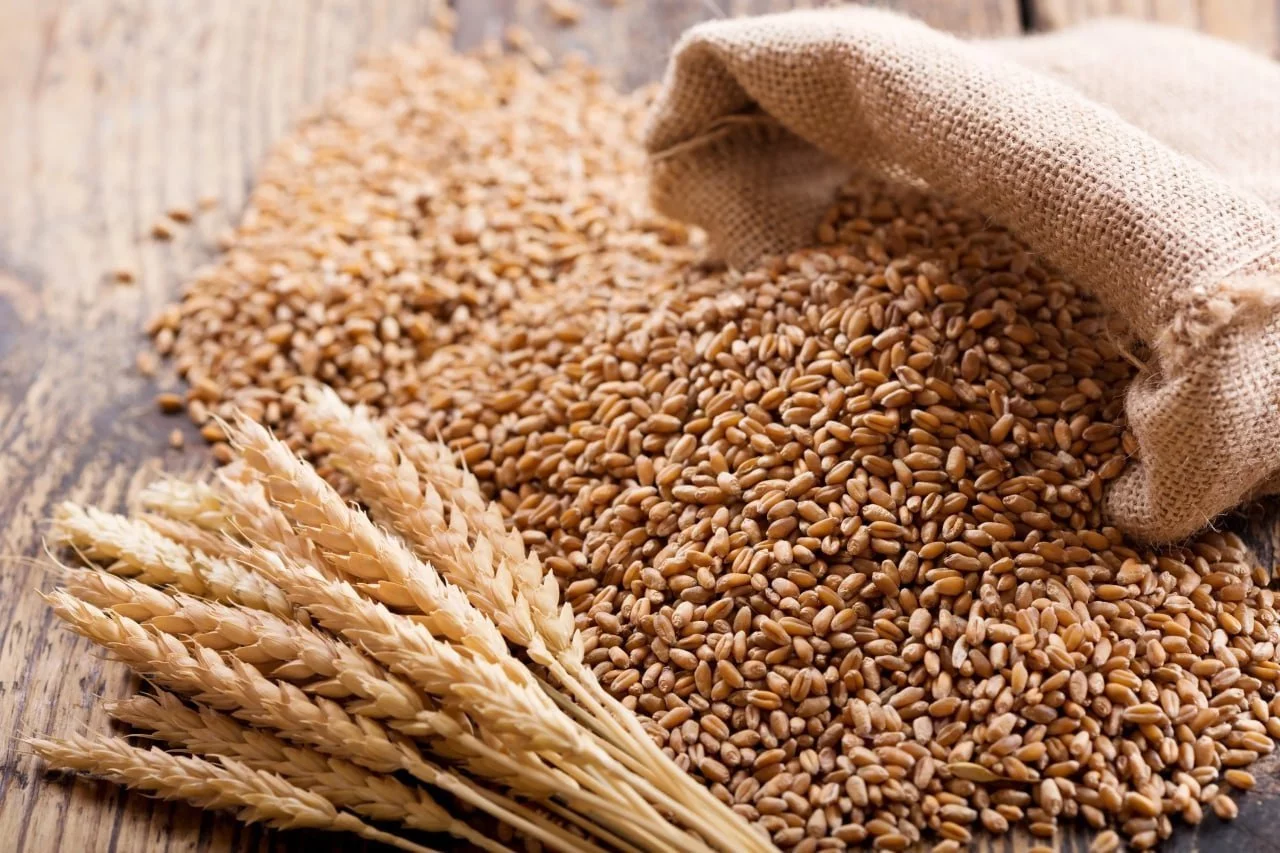
Egypt is stepping up efforts to find alternative wheat suppliers amid disruptions to Black Sea exports, seeking to reduce its dependence on traditional trade routes. According to traders, the country agreed in October 2026 to purchase approximately 200 thsd tons of Polish wheat from state-backed company Elewarr. The parties are also discussing the possibility of increasing shipment volumes. Expanding cooperation with Poland forms part of Egypt’s strategy to diversify grain imports and secure more stable supplies amid uncertainty in the global market.
Poland’s Deputy Agriculture Minister Małgorzata Gromadzka previously confirmed that Elewarr had signed an export contract with Egypt. The company’s CEO, Marcin Roszczyk, said initial shipments would amount to several hundred thousand tons, with the potential for further increases. In recent months, Poland has been actively working to expand access for its wheat to the Egyptian market, viewing it as a promising export destination outside the European Union.
Meanwhile, Egypt’s state grain buyer, Future of Egypt, is holding talks with representatives of Ukraine and russia regarding potential wheat supplies under government-brokered agreements. According to market participants, total potential purchases under these negotiations could reach 1 mln tons over several months. However, no final agreements have been confirmed, and traders doubt that substantial volumes can be purchased without involving private companies and applying standard commercial terms. In the first half of 2026, Ukraine and russia accounted for more than 82% of Egypt’s wheat imports, highlighting the country’s heavy dependence on Black Sea suppliers.
Egypt’s state grain procurement mechanism is also undergoing changes. In 2024, Future of Egypt took over responsibility for strategic wheat imports from the state agency GASC, which traditionally conducted large international tenders. Instead, the new buyer is increasingly relying on direct negotiations with international suppliers and government agencies in other countries. After several months of limited activity, Egypt recently resumed purchases on the international market, including wheat from France and Bulgaria. Diversifying import origins is becoming particularly important amid disruptions to Black Sea shipping and rising global wheat prices.
At the same time, the intensified negotiations are not driven by an immediate threat of grain shortages in Egypt. In 2026, the country purchased record volumes of wheat from domestic farmers, while existing government stocks are sufficient to meet demand for several months, according to the authorities. The main objective of the new import strategy is to secure more competitive prices and reliable long-term supply sources. For Ukraine, the growing presence of Poland and other European exporters in the Egyptian market could mean stronger competition, particularly if restrictions on Black Sea logistics persist.
Read also
India’s onion production to decline by 6% but export potential remains strong
Vietnam’s live hog prices rise, but farmers continue to face losses
Soybean oil prices in China continue to fall amid high inventories and weak demand
From EU to Central Asia – Where Can the First Alternative Logistics Corridor...
Canada’s canola exports rise 63% as corn shipments increase 2.5-fold




Got additional questions?
We will be happy to assist!
Write to us
Our manager will contact you soon