

India restricts sugar-based ethanol purchases and cuts corn ethanol price
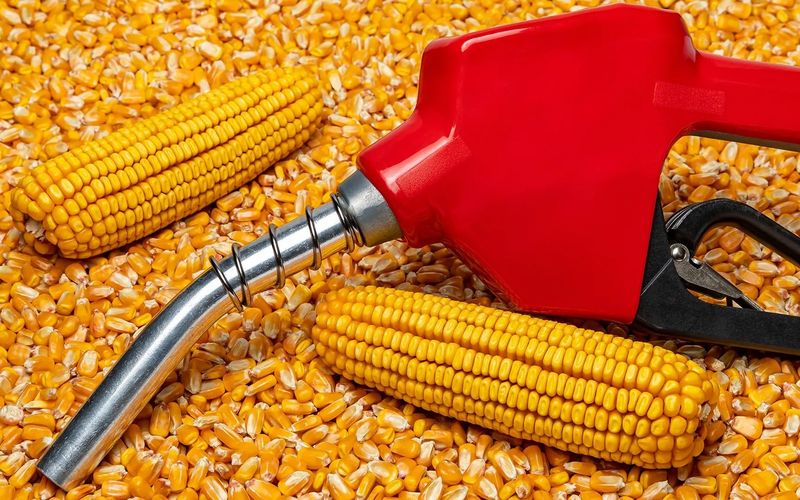
India will exclude ethanol produced from sugarcane juice, sugar syrup and B-heavy molasses from government procurement in the 2026/27 ethanol supply year. These ethanol categories have been removed from a new tender issued by state-run fuel companies as the government seeks to safeguard domestic sugar supplies and contain price increases. Meanwhile, the country continues to implement its ethanol-blended petrol programme.
The tender, issued on October 16 by Bharat Petroleum Corporation Limited (BPCL) on behalf of state-run oil marketing companies, seeks to procure approximately 11 bln litres of ethanol for the supply year running from November 2026 to October 2027. These volumes are intended to support the nationwide programme targeting a petrol blend of 80% gasoline and 20% ethanol. The government expects to meet fuel sector requirements primarily through alternative feedstocks, including corn, broken rice and surplus rice stocks. The use of C-heavy molasses remains permitted.
Concerns over a potential decline in India’s sugar production prompted the revision of feedstock policy. Insufficient rainfall in key sugarcane-growing regions, particularly Maharashtra and Karnataka, has raised the risk of lower yields. Against this backdrop, domestic sugar prices have risen significantly, prompting the government to reconsider its priorities for raw material use. Restricting sugarcane processing into ethanol is intended to direct a larger share of the crop toward sugar production for domestic consumption.
Meanwhile, the new procurement terms also include a reduction in the price of corn-based ethanol. The purchase price paid by state-run companies has been lowered from 71.86 to 68.86 Indian rupees per litre. At the same time, the special incentive premium for corn ethanol producers has been reduced from 5.79 to 2.79 rupees per litre. This could negatively affect the profitability of producers using corn as their main feedstock, despite the potential expansion of its role in biofuel production.
Changes in India’s ethanol procurement policy could affect the structure of domestic demand for agricultural feedstocks. Restrictions on sugarcane use for ethanol production are intended to support sugar supplies, while corn and rice could play a greater role in meeting the country’s biofuel requirements. However, lower procurement prices for corn-based ethanol will reduce financial incentives for its producers. Further developments will depend on the sugarcane harvest, domestic sugar prices and the industry’s ability to supply the required ethanol volumes from alternative feedstocks.
Read also
Malaysian palm oil prices decline amid high inventories and weaker soybean oil
Global fishmeal and fish oil production could fall to a 10-year low
Moldova boosts rapeseed export revenue by 16% with little increase in shipments
UK barley area falls to a 16-year low
Global apple exports fall by 21%, but some countries are gaining market share




Got additional questions?
We will be happy to assist!
Write to us
Our manager will contact you soon