

India considers Colombia as alternative palm oil supplier amid expanding biodiesel production in Asia
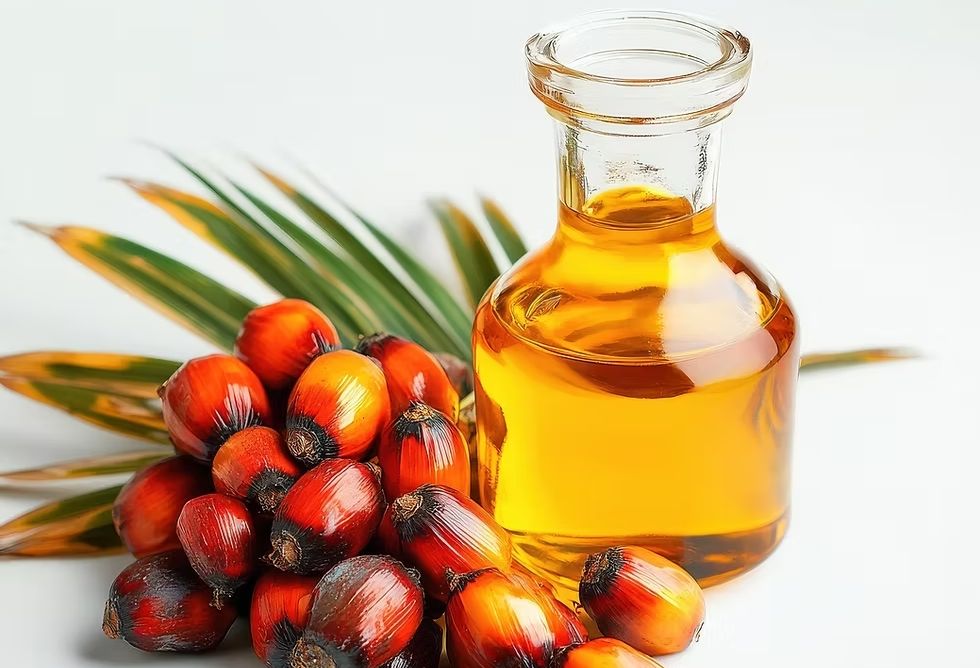
India is considering increasing palm oil imports from Colombia as Indonesia and Malaysia expand biodiesel production, potentially limiting supplies available for food use. According to the Solvent Extractors’ Association of India (SEA), diversifying supply sources is becoming increasingly important for the country, which remains the world’s largest importer of vegetable oils.
Colombia, the world’s fourth-largest palm oil producer, is seen as a promising partner for expanding trade relations. According to SEA President Angshu Mallick, Colombia has already supplied around 200 thsd tons of palm oil to the Indian market. Increasing purchases from Colombia would allow India to reduce its dependence on traditional suppliers from Southeast Asia and ensure greater stability of imports.
To strengthen cooperation, SEA plans to send a high-level delegation to Colombia in early 2027. The association also intends to sign a memorandum of understanding with Fedepalma, Colombia’s national federation of oil palm growers. The agreement is expected to establish a framework for closer trade relations and increased palm oil shipments to the Indian market.
Meanwhile, India is exploring opportunities to expand trade in oilseeds and vegetable oils with African countries. In particular, SEA has signed a statement of intent with the government of Mozambique’s Nampula province to establish a sustainable trade corridor for oilseed and vegetable oil supplies to India. These initiatives aim to diversify imports amid shifting global trade flows, price volatility, and growing demand for feedstocks used in biofuel production.
At the same time, India is seeking to increase domestic oilseed production, particularly rapeseed and mustard. The government has raised the minimum support price for rapeseed and mustard for the 2027/28 marketing season by 413 rupees to 6,613 rupees per quintal to encourage farmers to expand production. According to SEA, India imported 15.16 mln tons of edible vegetable oils during the first 11 months of the 2025/26 marketing year, which began in November. The substantial import volumes highlight the country’s dependence on foreign suppliers and the need to secure alternative sources of supply.
Read also
Argentina raises wheat production forecast to 23.8 mln tons
UK barley export potential to shrink sharply amid lower production
Global Factors Reshaping Supply Chains – Key Challenges & Industry Resp...
China increases rapeseed purchases from Australia amid lower tariffs and favorable...
Global pumpkin seed prices rise as China’s harvest declines




Got additional questions?
We will be happy to assist!
Write to us
Our manager will contact you soon