

High-oleic soybeans gaining popularity in the US
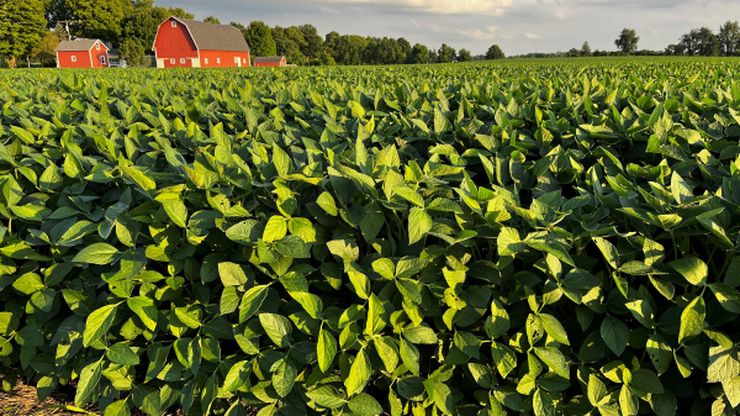
High-oleic soybeans (HOSB) are becoming increasingly popular due to their health benefits and potential to boost farm profitability. Unlike conventional soybeans, HOSB contain higher levels of oleic acid, making the oil more stable with a longer shelf life and improved nutritional value. Demand is growing not only among oil producers for human consumption but also among farmers using roasted HOSB in livestock feed rations.
The development of HOSB in the United States began in the early 2010s, supported by investments from the United Soybean Board and companies such as DuPont Pioneer and Monsanto. The first GMO lines, Plenish® and Vistive® Gold, were introduced commercially in 2012 and 2018, respectively. In 2021, a non-GMO version called SOYLEIC® was launched. Thanks to breeding and research, current HOSB varieties offer high yields comparable to conventional soybeans.
Farmers choosing to grow HOSB must follow specific agronomic and production practices. These include treating seeds with inoculants, managing weeds, and implementing identity preservation programs to keep HOSB separate from conventional soybeans. Such measures ensure the unique fatty acid profile is maintained and prevent rejection of loads at the point of sale.
The HOSB market is actively growing in the U.S., particularly in Michigan, where multiple processing facilities exist for both oil and feed. Today, the greatest demand comes from the dairy sector, as one cow consumes approximately one acre of HOSB per year. Farmers can earn premiums of $0.50–$1.50 per bushel, making HOSB cultivation financially attractive.
Growing high-oleic soybeans allows farmers to increase profitability while meeting market demand for healthier oils and quality livestock feed. Following recommended agronomic practices, identity preservation programs, and proper contracting ensures reliable supply and opens new opportunities for sustainable farm development.
Read also
Romania proposes joint NATO command to protect the Black Sea
Drought in India threatens sugar and biofuel production
Record sunseed harvest in Russia threatens to drive down prices in Kazakhstan
Corn drying costs in Ukraine could exceed the value of the grain at current prices
Oilseeds remain the only profitable segment of crop production in Russia




Got additional questions?
We will be happy to assist!
Write to us
Our manager will contact you soon