

Grain share in German compound feed falls to 48%
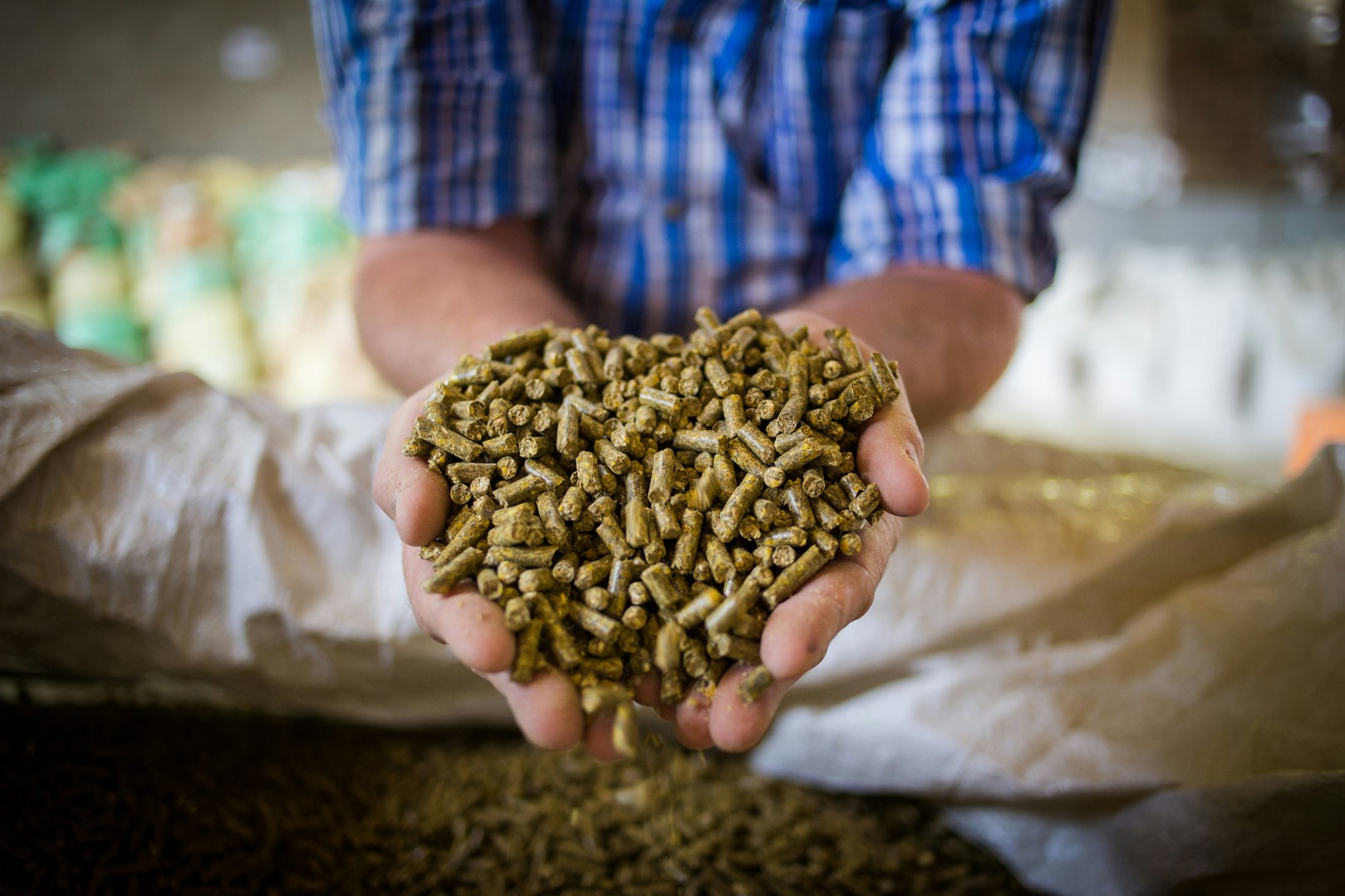
Compound feed production in Germany increased by nearly 3% in 2025 to 22.5 mln tons despite a decline in livestock numbers. Northern Germany accounted for the largest share, producing 16.2 mln tons, or around 72% of the country’s total output.
Pig feed remained the largest segment, with production rising by 1.6% to 8.4 mln tons. Cattle feed output increased by 3.9% to 6.7 mln tons, while poultry feed production rose by 2.6% to 6.6 mln tons. Meanwhile, Germany’s pig population declined to around 21 mln head, while the cattle population fell to 10.4 mln head.
At the same time, the share of grain in compound feed formulations declined to around 48%. The industry used a total of 10.9 mln tons of grain, including corn. Wheat accounted for almost 4 mln tons, corn for 2.8 mln tons and barley for 2.3 mln tons.
The use of oilseed meals and cakes totaled 5.9 mln tons, including 2.7 mln tons of rapeseed meal and 2.5 mln tons of soybean meal. The use of food industry by-products also increased by 3.9% to 3.15 mln tons, while consumption of domestically produced pulses, including peas and field beans, rose by 12.1% to 177 thsd tons.
Germany continues to depend on imports of high-protein feed ingredients, particularly soy. In 2025, the country imported 3.3 mln tons of soybeans and 2.8 mln tons of soybean meal and cake. According to DVT, domestic sources cover most of the feed sector’s requirements, but imports remain important for meeting its protein needs.
Read also
Ireland’s grain imports reach 5.1 mln tons amid strong feed demand
Zimbabwe plans to produce aviation fuel from sugarcane and sorghum
Ukrainian beef exports rise amid declining global production
Ahlers – Logistics Partner of 4S BUSINESS SUMMIT
Nigeria to import 5.6 mln tons of wheat in 2026/27 season




Got additional questions?
We will be happy to assist!
Write to us
Our manager will contact you soon