

Ghana’s wheat flour imports strain foreign exchange reserves
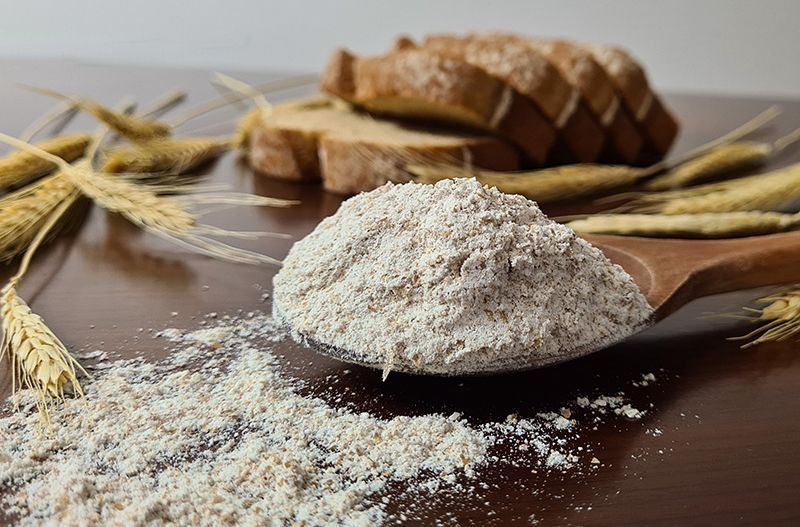
Ghana continues to face challenges in meeting domestic demand for wheat flour, relying heavily on imports to supply its growing market. This dependence is putting additional pressure on the country’s foreign exchange reserves and increasing its exposure to volatility in global wheat prices, with broader implications for national economic stability.
The situation also raises concerns about the long-term sustainability and cost competitiveness of Ghana’s agricultural production. Amid rising global prices and currency risks, stakeholders are exploring ways to reduce import dependence and mitigate economic vulnerabilities linked to global market dynamics, food security, and overall economic resilience.
Read also
Romania proposes joint NATO command to protect the Black Sea
Drought in India threatens sugar and biofuel production
Record sunseed harvest in Russia threatens to drive down prices in Kazakhstan
Corn drying costs in Ukraine could exceed the value of the grain at current prices
Oilseeds remain the only profitable segment of crop production in Russia




Got additional questions?
We will be happy to assist!
Write to us
Our manager will contact you soon