

Germany is increasing its use of vegetable oil for biofuel production
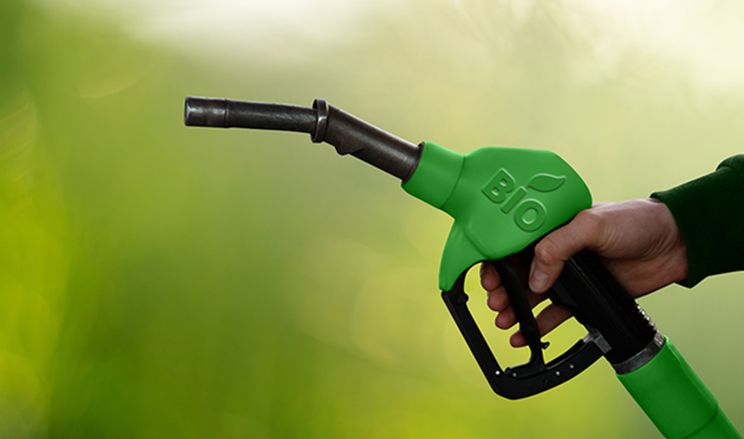
Consumption of hydrotreated vegetable oil (HVO) as a biofuel in Germany has risen sharply following changes to greenhouse gas emission reduction requirements. In the first five months of 2026, HVO consumption reached around 270.7 thsd tons, compared with just 64.9 thsd tons for the whole of 2025.
The main driver was an increase in the mandatory CO₂ emission reduction quota from 10.6% to 12% from January. Germany also abolished double counting for certain waste-based biofuels and restricted the use of surplus emission reduction credits accumulated in previous years toward 2025–2026 obligations.
At the same time, consumption of conventional biodiesel also remains high. In May, it reached 263.6 thsd tons, almost 39% higher than a year earlier. The combined share of biodiesel and HVO in diesel fuel increased to 9.3% from around 7.3% a year earlier, while in April it reached 11.3%.
According to Germany’s Union for the Promotion of Oil and Protein Plants (UFOP), HVO consumption could reach around 650 thsd tons in 2026, while biodiesel use could total 2.05 mln tons. Further growth in bio-component use, however, is constrained by existing technical requirements for diesel fuel.
In 2027, the emission reduction quota is set to rise sharply to 17.5%, followed by 19.5% in 2028. However, UFOP does not expect a corresponding surge in physical demand for vegetable-based bio-components, as fuel companies will be able to use previously accumulated unused credits. As a result, actual HVO and biodiesel consumption could remain broadly at 2026 levels.
Read also
Zimbabwe plans to produce aviation fuel from sugarcane and sorghum
Ukrainian beef exports rise amid declining global production
Ahlers – Logistics Partner of 4S BUSINESS SUMMIT
Nigeria to import 5.6 mln tons of wheat in 2026/27 season
Russia has yet to agree to any of the proposed options for a new grain deal — Zele...




Got additional questions?
We will be happy to assist!
Write to us
Our manager will contact you soon