

Food security criteria shift for Gulf countries
Escalating tensions around the Strait of Hormuz are increasing risks for grain and food importers in the region by raising energy, freight, and insurance costs and tightening pressure on agricultural supply chains, according to Dr. Sadar Abdul Rasheed, Risk Governance & Industrial Hedging Specialist.
Dr. Rasheed explained that the first channels through which the crisis affects agri-commodity markets are energy, freight, and marine insurance, which impact the food supply chain faster than foreign exchange or credit factors. “Hormuz-related disruptions move first through energy, freight, and insurance because these directly affect fertilizers, processing, logistics, ocean freight, and the landed cost of food,” he said.
For Gulf Cooperation Council (GCC) countries, which rely heavily on food imports, the crisis is shifting the meaning of food security: it is no longer just about global availability but also about guaranteed delivery at a predictable landed cost. “Governments and buyers need to consider staple inventories, diversified shipping routes, flexible contracts, and adequate buffers for key inputs such as fertilizers, fuel, and packaging materials,” Dr. Rasheed added.
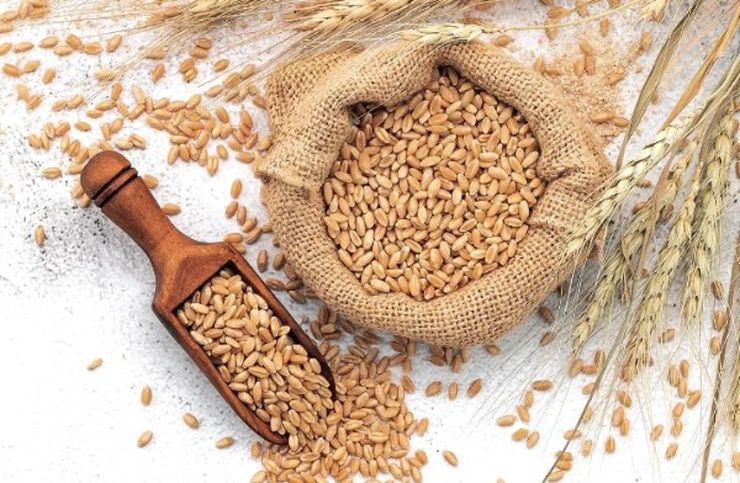
He also noted that the current “war premium” visible in wheat and edible oil prices should be understood as part of a broader logistics and cost shock. If Hormuz shipping lanes remain insecure, regional buyers face higher ocean freight, rising war-risk insurance premiums, increased bunker fuel costs, port congestion, and potential demurrage charges, all of which could increase the final landed price of grain and edible oils.
Moreover, the disruption could extend to energy-linked inputs like ammonia, urea, and LPG, tightening fertilizer availability and feeding further inflation into agricultural supply chains. “The risk is compounded by pressure on Red Sea routes, effectively creating a ‘two-chokepoint’ scenario for regional buyers. Until both corridors stabilize, higher supply chain costs are likely to persist,” the specialist warned.
To mitigate consumer impact, Dr. Rasheed recommended that governments maintain buffer stocks, structured tendering, and controlled retail pricing mechanisms. Private companies are advised to maintain hedging discipline, avoid panic-buying, and not make decisions based solely on headlines. Monitoring key indicators such as daily tanker transits through Hormuz, changes in war-risk zones, freight surcharges, port congestion, and the pace of fertilizer and ammonia shipments is crucial to assess short-term shocks versus longer-term structural cost increases.
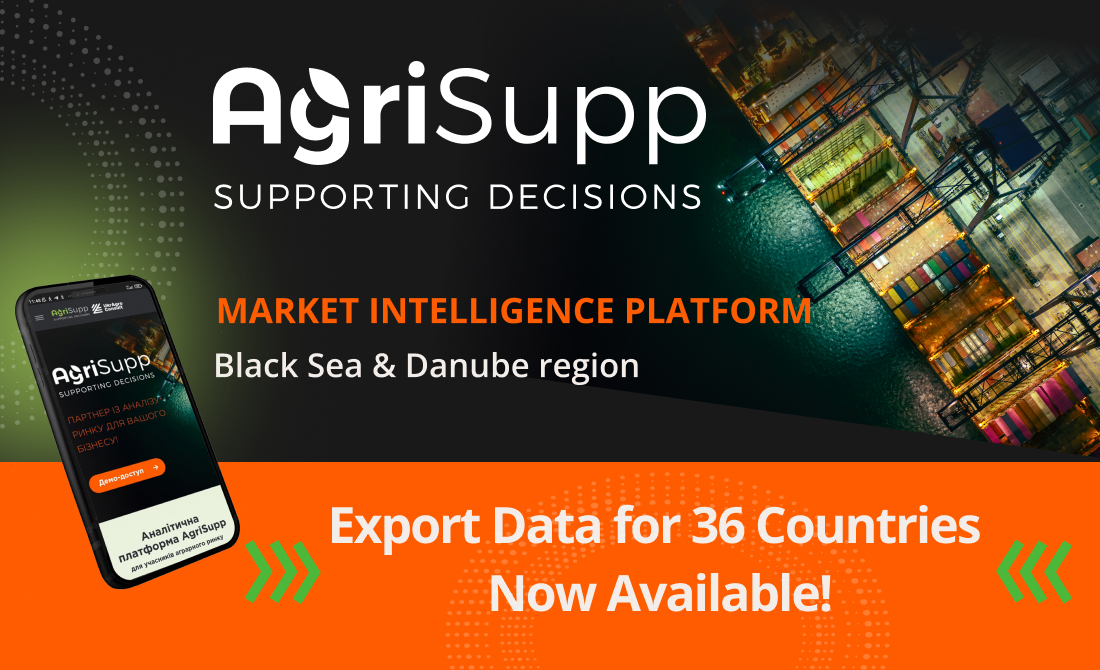
For almost 30 years of expertise in the agri markets, UkrAgroConsult has accumulated an extensive database, which became the basis of the platform AgriSupp.
It is a multi-functional online platform with market intelligence for grains and oilseeds that enables to get access to daily operational information on the Black Sea & Danube markets, analytical reports, historical data.
You are welcome to get a 7-day free demo access!!!
Read also
Romania plans to restrict unscheduled freight train access to Constanta port
Global blueberry market faces tighter supplies and rising prices
China’s used cooking oil exports surge 55%, with Europe becoming the largest...
Kazakh flaxseed prices surge in Europe amid transit restrictions
Global food inflation intensifies amid declining grain shipments and rising logist...


Got additional questions?
We will be happy to assist!
Write to us
Our manager will contact you soon