

First detection of broomrape in rapeseed fields recorded in Ukraine
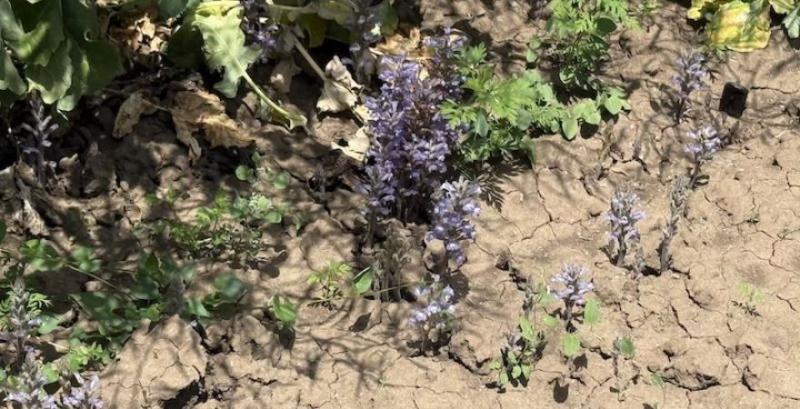
For the first time, broomrape has been detected in rapeseed crops in Ukraine. This was reported by Alexandra Kirichek, rapeseed product manager at KWS-UKRAINE, according to SuperAgronom.com.
According to her, no cases of rapeseed infestation by broomrape had previously been reported in Ukraine. However, this summer the parasite was identified in fields in the Odesa region.
“The crop rotation includes a large share of vegetable crops, which can also serve as host plants for broomrape. Given that the parasite is quite aggressive and can spread quickly via wind, water, agricultural machinery, etc., special attention should be paid to its appearance and timely response, using control methods to limit its spread pathways,” the specialist noted.
As reported, Ukraine is already familiar with and affected by sunflower broomrape (Orobanche cumana Wallr.), a parasitic plant that uses sunflower as its host.
However, there are species of the Orobanchaceae family that parasitize other crops. Currently identified species such as Phelipanche ramosa, P. mutelii, and P. rosmarina can infect rapeseed. In particular, Phelipanche ramosa has a wide range of host plants, including species from the nightshade, cabbage, and legume families.
“In 2010, rapeseed infestation by broomrape species was first reported in Greece. It was detected in a field where tobacco was grown, followed by three consecutive years of rapeseed in rotation with sunflower. The infestation was confirmed through soil sample analysis checking attachment of broomrape to crop roots. Yield losses ranged from 30% to 60%,” Alexandra Kirichek said.
According to her, as of 2026 broomrape as a rapeseed parasite is already present in Bulgaria and some countries of the Middle East and the Mediterranean region. At high infestation levels, yield losses can reach 80% and in some cases even 100%. The rapid spread, particularly in southern Bulgaria, has been driven by short crop rotations (e.g., rapeseed grown every 1–2 years) and suboptimal soil management practices.
“The main control method for broomrape in rapeseed remains chemical control, namely the use of imazamox, combined with the cultivation of hybrids resistant to imidazolinones,” Alexandra Kirichek concluded.
Read also
US processors shift toward higher-oil-content crops amid growing biofuel demand
S&P Global warns of risk of global food crisis in 2027
European Parliament urges EU to consider naval operation in the Black Sea
Wheat futures fall for eighth consecutive week for first time since 1997
Indonesia develops livestock feed production from palm oil by-products




Got additional questions?
We will be happy to assist!
Write to us
Our manager will contact you soon