

Ukraine’s grain exports plunge 75% amid port blockade
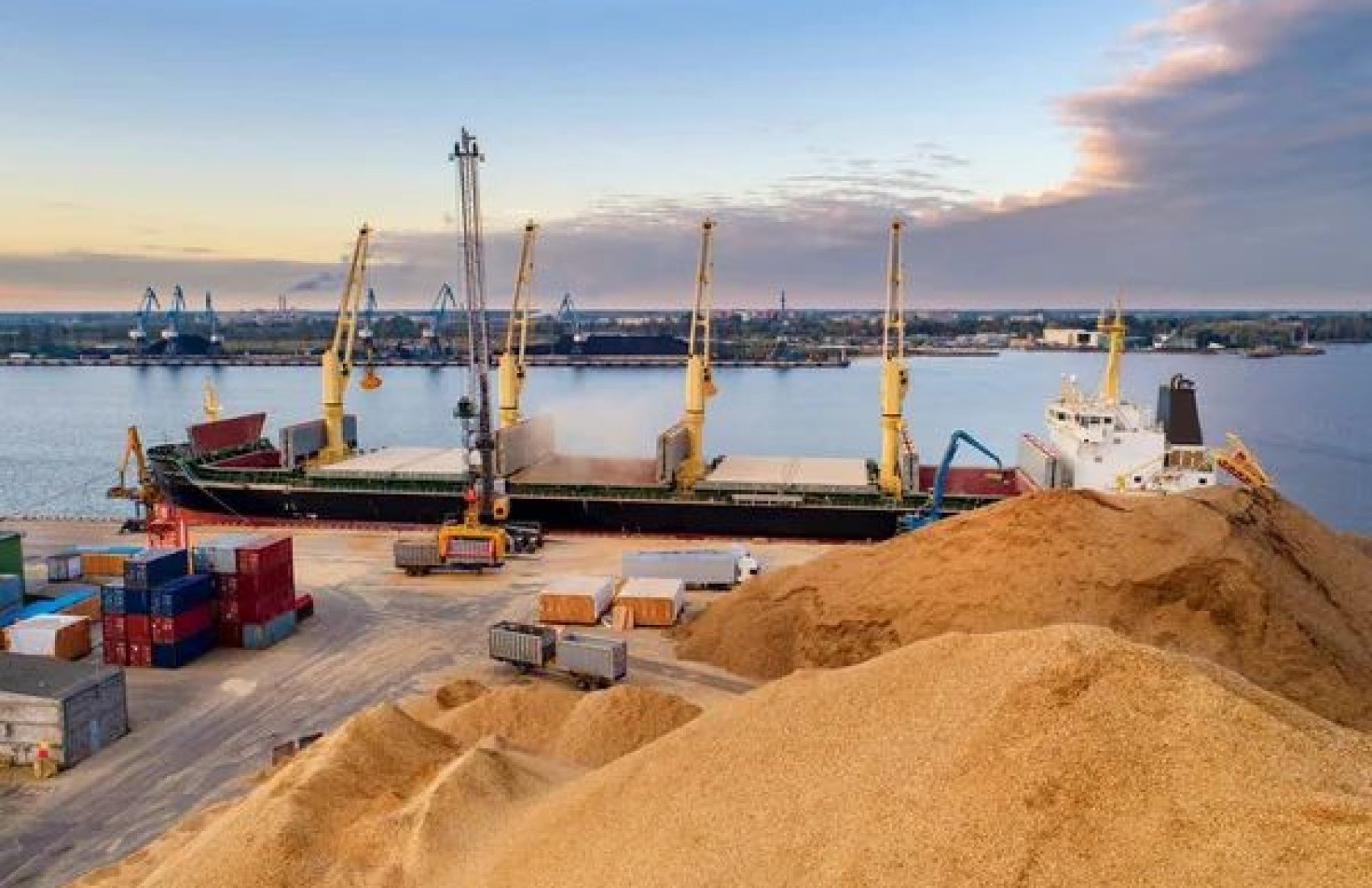
Russian attacks on port infrastructure and civilian shipping have sharply worsened conditions for Ukrainian farmers at the height of the harvest season. According to Reuters, Ukraine’s grain exports fell by 75% in the first two weeks of August, while domestic prices for some agricultural commodities dropped below production costs. Farmers are simultaneously facing a shortage of buyers, filling storage facilities and a lack of working capital.
The situation is becoming increasingly difficult as the new crop enters the market. Ukraine expects to harvest around 60 mln tons of grain this year, with the wheat harvest already at its peak and the main corn harvest due to begin soon. Some farmers report that their storage facilities are already nearly full, while traditional buyers have reduced or suspended purchases because of difficulties with further exports.
Market participants estimate that wheat exports may remain one of the few profitable options for producers under current conditions, while sales of other grains may not cover production costs. The lack of sales is depriving farms of funds needed to purchase fuel, pay wages and finance the autumn planting campaign. Over the next 6–12 months, the agricultural sector could lose $2–4 bln due to restrictions on maritime exports, while up to 60% of grain farms risk becoming unprofitable.
Ukraine’s ability to quickly redirect exports to alternative routes is also more limited this time. After the Black Sea ports were blocked in 2022, significant volumes were rerouted through Ukraine’s western borders and the Danube. However, the situation is now complicated by EU trade restrictions, strained relations with Poland, low water levels on the Danube and Russian strikes on railway infrastructure. Around 90% of Ukraine’s exports of major grains and oilseeds traditionally depend on Black Sea routes.
A prolonged disruption of port operations could turn the logistics problem into a broader financial crisis for Ukraine’s agricultural sector. Experts warn that the impact could become particularly severe in the autumn, when the bulk of the corn crop reaches the market and farmers simultaneously need funds to finance the next production cycle. Lower Ukrainian exports could also create additional risks for countries in Africa and the Middle East that depend heavily on imported grain.
Read also
Saudi Arabia consolidates grain business to strengthen food security
Palm oil prices fall despite sharp rise in Malaysian exports
Ukraine plans to prioritize edible oil exports over grain amid logistics constraints
Brazil more than doubles apple exports to Europe following harvest recovery
Two tankers catch fire near Sulina Canal in Romania amid drone attacks




Got additional questions?
We will be happy to assist!
Write to us
Our manager will contact you soon