

Syria has announced full self-sufficiency in wheat
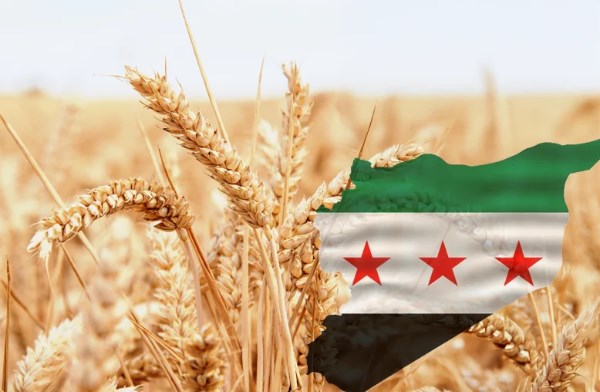
Syria has announced that it has achieved wheat self-sufficiency and will not need to import the grain this season after several years of significant shortages. According to the Syrian Grain Establishment, the state grain agency received 2.7 mln tons of wheat from producers across the country, exceeding annual domestic requirements.
Syria’s annual wheat needs are estimated at around 2.55 mln tons. This means the volume collected by the state agency already exceeds the country’s requirements by 150 thsd tons. The Syrian Grain Establishment said there would be no need for wheat imports this season.
This marks a sharp turnaround from previous years, when Syria relied heavily on imports and international food assistance. As recently as February, FAO forecast the country’s wheat import requirements for the MY 2025/26 at 3 mln tons, nearly 70% above the five-year average.
The high dependence on imports followed a prolonged decline in domestic production. Syria’s cereal crop in 2025 was estimated at just 1.2 mln tons, more than 60% below average due to severe drought, economic pressures and the consequences of years of conflict. Before the civil war began in 2011, Syria was self-sufficient in wheat and produced an average of around 4.1 mln tons annually.
Syria’s withdrawal from the import market could reduce wheat demand in the Middle East, an important destination for Black Sea exporters. Syrian authorities are now focusing on storing the new crop, transferring wheat to silos and storage facilities to preserve its quality for extended periods.
Read also
Romania proposes joint NATO command to protect the Black Sea
Drought in India threatens sugar and biofuel production
Record sunseed harvest in Russia threatens to drive down prices in Kazakhstan
Corn drying costs in Ukraine could exceed the value of the grain at current prices
Oilseeds remain the only profitable segment of crop production in Russia




Got additional questions?
We will be happy to assist!
Write to us
Our manager will contact you soon